Luxury has evolved from visible logos and lavish displays to something quieter, more intentional, and infinitely more personal. Today’s discerning traveler is not chasing upgrades; they are curating a life where movement, comfort, and meaning are perfectly aligned. Premium living is no longer about how much you can access, but how precisely your world is edited.
This is the new landscape of modern luxury: orchestrated time, intelligent discretion, and experiences that feel almost impossibly tailored. Below, five exclusive insights that define how the world’s most sophisticated travelers are now living, moving, and choosing.
1. Time as the Ultimate Signature Luxury
For the truly global traveler, time has replaced status as the defining currency of a premium life. The quietest hallmark of refinement is not a rare watch, but a schedule that feels unhurried even when crossing continents.
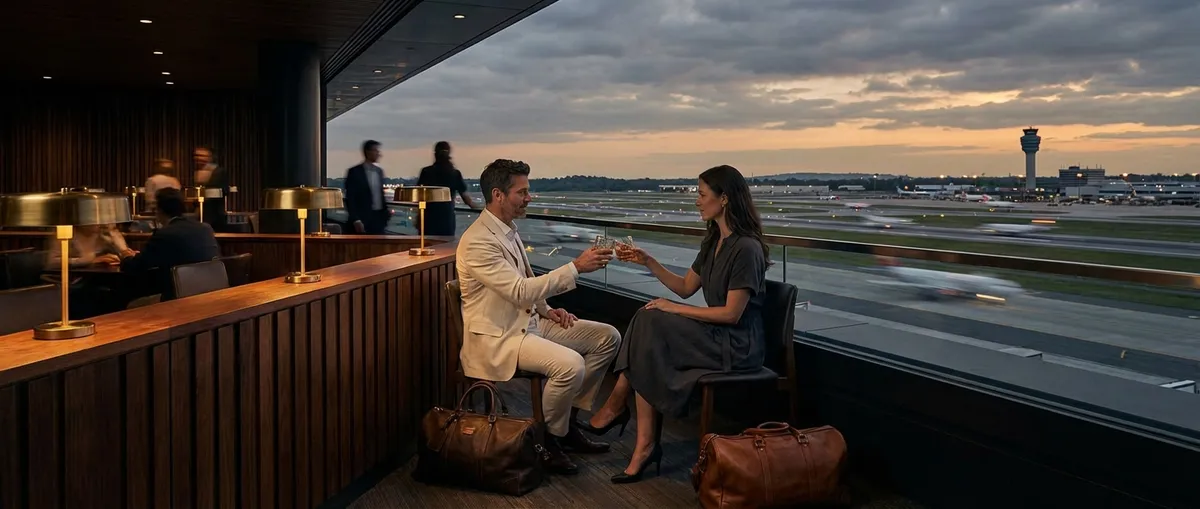
This manifests in how journeys are designed. Red-eye flights are replaced with mid-day departures that coincide with one’s natural rhythm. Long layovers are not tolerated, but intentionally designed as private interludes—spa suites, day-use residences, or discreet airport lounges that feel closer to a well-appointed pied-à-terre than a transit hub. Luggage is forwarded in advance, not for convenience alone, but to eliminate friction from the experience itself.
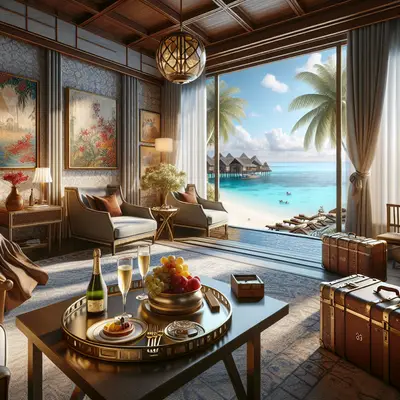
The most sophisticated itineraries now include “white space” deliberately held open—hours or days with no fixed agenda. This is not indecision; it is curated freedom. It allows a guest to accept a last-minute table at a difficult-to-book restaurant, stay an extra night when a city feels unexpectedly magnetic, or simply do nothing in surroundings that are beautifully prepared for that very purpose.
The real luxury is leaving a city still wanting more, not exhausted by having seen it all.
2. Precision Hospitality: When Service Feels Like Telepathy
For high-end travelers, “good service” is now a baseline. What distinguishes true premium hospitality is precision: the sense that a property or service knows you, without ever making you feel surveilled.
This begins long before check-in. Preferences are shared once, then elegantly remembered—room temperature, pillow type, how you take your coffee, which fragrance notes you dislike in bath amenities. The most elevated brands quietly synthesize this data across stays and locations, so your room in Tokyo feels instantly as “correct” as your suite in Paris.
The tone is subtle. Staff greet you by name, but not loudly. Check-in is handled en route, so your arrival is simply a gentle escort to your space. Room controls are intuitive, not overengineered; the soundproofing is flawless, the blackout shades complete, the Wi‑Fi invisible yet impeccable. Turn-down service is calibrated to your habits—robe size, reading light at the correct side of the bed, even a curated reading selection that aligns with your known interests.
The impression is not that someone has tried very hard to please you, but that your life has continued—seamlessly—at a higher level of detail.
3. Curated Privacy: The New Status Symbol
The most coveted luxury today is not access, but absence—of noise, of exposure, of unnecessary interaction. Privacy has become its own design language.
For frequent travelers, this begins with how they move through public space. Private terminals, VIP channels, and pre-clearance programs reduce time spent in conventional queues. But privacy is no longer limited to the ultra-visible gestures of private jets and separate entrances. It is also about how artfully one can remain unobserved.
Options such as subdued airport meet-and-greet services, low-key chauffeured transfers in unbadged vehicles, and properties with discreet secondary entrances are highly prized. At the destination, private dining rooms, in-villa chefs, and limited-access wellness areas offer a sanctuary from the social theater of traditional luxury venues.
Even digital privacy has become a marker of discernment. Secure connectivity, no-phone spa zones, and staff trained in non-disclosure practices matter deeply to guests who live increasingly public or high-stakes lives. The fewer photographs, announcements, and “tagged moments,” the more luxurious the experience feels.
In essence, privacy has become the quiet frame that makes every other indulgence feel more intimate and more fully one’s own.
4. Cultural Fluency Over Checklist Tourism
The new premium lifestyle traveler is no longer interested in proving they were somewhere; they want to understand why it matters. Cultural fluency has replaced the traditional checklist of landmarks and “must-sees.”
This shift is visible in the types of experiences being sought. Instead of generic city tours, travelers engage with local curators—art advisors, historians, designers, or chefs who provide context rather than spectacle. A museum visit becomes a private, after-hours walk-through with a curator who explains not just the collection, but the cultural and political nuances surrounding it. A market visit is guided by a chef who has a personal relationship with the vendors.
Language, even in its most basic form, becomes an element of respect. Having a few properly pronounced phrases, understanding the social rituals around dining or greeting, or knowing when to be quiet in public spaces—these details signal a traveler who arrives not as a consumer, but as a considerate guest.
The goal is not just to have been in a place, but to have left it with a deeper, more textured understanding that lingers long after the passport stamp has faded.
5. Intelligent Indulgence: Wellness, Sustainability, and Taste
For sophisticated travelers, indulgence is no longer in conflict with wellbeing or responsibility; it is defined by them. Excess for its own sake feels dated. The premium lifestyle now centers around intelligent choices that feel as good the next morning—or the next year—as they did in the moment.
This plays out across dining, design, and destination selection. Wine lists feature biodynamic producers and small estates with compelling stories, not only prestige labels. Menus lean toward seasonal, thoughtfully sourced ingredients, crafted with a lightness that satisfies but never overwhelms. Sleep is protected with high-quality bedding, considered acoustics, and circadian-aware lighting.
Sustainability, too, is evolving beyond the token reuse of towels. Properties that meaningfully invest in local communities, protect ecosystems, and minimize waste quietly differentiate themselves to guests who are observant and well-informed. The most refined travelers often know the difference between marketing language and verifiable, long-term commitments.
Wellness has expanded beyond spas and fitness centers into holistic design: access to natural light, a sense of calm in circulation spaces, biophilic materials, and a pace of service that lowers, rather than raises, one’s heart rate. The experience is still luxurious, but it is also consciously restorative.
Ultimately, the most enduring indulgence is leaving a journey feeling sharper, calmer, and more grounded than when it began.
Conclusion
The premium lifestyle today is defined less by what is seen and more by what is felt: the absence of friction, the presence of thoughtfulness, and the careful orchestration of time, privacy, and meaning. For luxury travelers, the goal is no longer to collect experiences, but to refine them—to move through the world with elegant intention.
In this discreet new era of high-end travel, the true markers of sophistication are subtle: an itinerary that breathes, service that anticipates without intruding, spaces that protect both your privacy and your peace of mind. It is here, in these quiet margins, that modern luxury now resides.
Sources
- Skift: The Rise of the Conscious Traveler - Industry analysis on how luxury and premium travelers are shifting toward more intentional, responsible experiences
- Virtuoso: 2024 Luxury Travel Trends - Insight into current behaviors and preferences among high-end travelers
- McKinsey & Company: The Future of Luxury – BCG x Comité Colbert Report - Research on how luxury consumers are redefining value, experience, and exclusivity
- World Travel & Tourism Council (WTTC): Travel & Tourism Economic Impact Report - Context on global travel patterns and premium segment recovery
- Harvard Business Review: The New Rules of Customer Experience - Frameworks for understanding why personalization, seamlessness, and emotional resonance now define premium service
Key Takeaway
The most important thing to remember from this article is that this information can change how you think about Premium Lifestyle.