For the modern luxury traveler, refinement is no longer measured by how much can be packed into an itinerary, but by how much can be gracefully edited out. The real privilege is not the front row to everything, but the quiet authority to choose what never even makes it onto the agenda. At this level, travel is not an escape from life; it is an elevated continuation of it—each journey calibrated, choreographed, and exquisitely under control.
Below are five nuanced insights shaping how the most discerning travelers move through the world today—subtle, powerful shifts that transform a trip into a personal signature.
1. The Rise of Time-Rich Itineraries
For premium travelers, time is not a constraint; it is the central design material. The question is no longer, “How much can I fit into four days?” but, “What deserves my unhurried attention?”
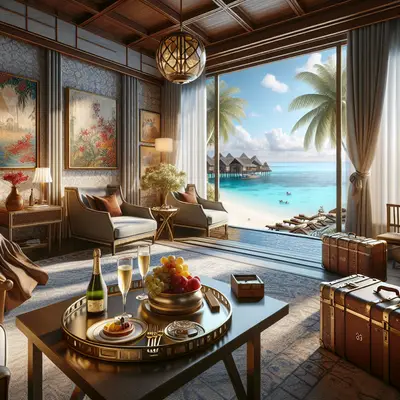
Time-rich itineraries lean into longer stays, deeper immersion, and deliberate pacing. Instead of skimming five cities in a week, travelers are choosing a single, well-positioned base—an urban penthouse suite or a secluded villa—then letting the city or coastline unfold at a measured tempo. Meetings are spaced with intention, dining reservations are treated as soft anchors rather than rigid commands, and unscheduled hours are protected with the same seriousness as a board presentation.
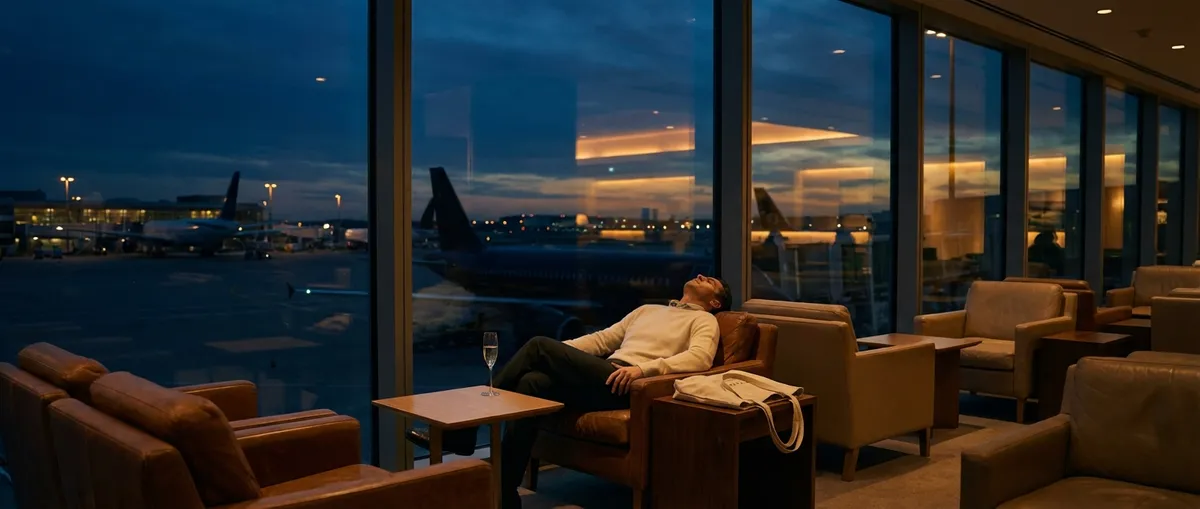
Premium concierge teams now build in “recovery bandwidth” around long-haul flights, recognizing jet lag as an operational factor, not a personal failing. Hydration protocols, circadian lighting, in-suite stretching sessions, and customized arrival amenities (from light, targeted menus to tailored aromatherapy) transform the first 24 hours on the ground from a blur into a gentle on-ramp.
The result is a journey that feels less like an interruption and more like a seamless extension of a well-ordered life, where time is not just spent, but elegantly invested.
2. Curated Ecosystems, Not Just Singular Stays
The new premium traveler doesn’t simply book a hotel—they assemble an ecosystem. The value lies not in one impressive property, but in how the lodging, local partnerships, and private access work together to create a fluid, frictionless orbit.
This ecosystem often begins with accommodations that serve multiple modes: a suite that can transition from morning boardroom to afternoon sanctuary, or a private residence with a dedicated butler who understands both your coffee temperature and your confidentiality requirements. From there, the ecosystem extends: trusted drivers on call, discreet local guides with domain expertise (art, architecture, gastronomy, fashion), and wellness practitioners who can come to you rather than require you to seek them out.
Top-tier properties increasingly serve as “command centers,” orchestrating introductions to members-only restaurants, limited-access galleries, and designers’ private ateliers. Rather than chasing reservations through public platforms, premium travelers work through a closed network of coordinators, concierges, and fixers whose value lies in precision and subtlety.
The distinction is subtle but important: you are no longer a guest at a venue; you are a quiet node within a curated, high-functioning system—one designed to move at your speed and align with your values.
3. Quiet Wellness: Precision, Not Performance
Wellness for luxury travelers has moved decisively away from spectacle. It is no longer about the photogenic yoga deck at sunrise; it is about how you land back home—mentally clear, physically aligned, and biologically supported.
The most refined wellness experiences now resemble personalized protocols rather than generic amenities. Travelers are seeking in-depth consultations with in-house clinicians, nutritionists, or sports scientists who can integrate data from wearables and past health results into a tailored plan. This may look like altitude-aware training in mountain destinations, highly specific sleep strategies for east–west route patterns, or performance-focused spa treatments that prioritize recovery over indulgence.
Nutritional offerings, too, are shifting. It’s not enough for a property to list a “healthy menu.” Forward-thinking kitchens are quietly accommodating low-inflammatory diets, time-restricted eating windows, and requests based on microbiome, genetic testing, or glucose monitoring—without turning the dining room into a medical seminar.
Crucially, this wellness is discreet. It happens in private studios, in-suite treatments, reserved hydrotherapy circuits, and quiet, early-access fitness slots before public hours. The premium traveler is not signaling wellness; they are integrating it—silently, effectively—into the architecture of every journey.
4. Cultural Access Redefined: From Front Row to Back Room
What counts as “access” has evolved. Where once the front row, the red rope, or the VIP list were the ultimate goals, sophisticated travelers are now pursuing something more delicate: informed, respectful entry into the backstage of a culture.
Rather than generic city tours, they commission curated encounters—an after-hours walk-through of a museum with a senior curator, a closed tasting with a winemaker in their library of unreleased vintages, or a conversation with a local architect on the evolving skyline. These experiences are rarely advertised; they are brokered through quiet relationships, mutual trust, and a shared understanding that depth matters more than display.
Sensitivity is the new status symbol. The most valued guests are those who arrive prepared: they know the context, the etiquette, and the boundaries. They understand that their presence should never distort the environment they are entering, whether it’s a small coastal village, a heritage artisan workshop, or a fragile natural ecosystem.
In this world, luxury is not the private view itself, but the integrity with which that access is granted and used. It is the ability to be present, informed, and low-impact in places that do not exist for you—but generously open to you, if approached with care.
5. Intelligent Privacy: Designing an Invisible Footprint
Privacy for the premium traveler is no longer just about anonymity; it is about intelligent control of visibility. The question is not, “Can I be hidden?” but, “Who needs to know I was ever here—and to what extent?”
At the highest level, this means accommodation and transport providers that understand data minimization: using only the information they need to deliver service, encrypting everything else, and being transparent about who sees what. Check-ins are streamlined and often handled in-suite or via secure digital channels. Invoicing is cleaned of unnecessary detail; documentation is precise but discreet.
Beyond data, intelligent privacy extends to movement. Private entries and exits, staggered transfers, and off-peak scheduling all reduce exposure and friction. Personal staff are briefed on nondisclosure as a matter of default, not negotiation. Even social media is handled with care: content is either delayed, anonymized, or curated by a trusted team who understands that the most luxurious experiences are often those that never appear in a public feed at all.
The invisible footprint is the ultimate luxury: moving through global hubs, iconic resorts, and major events, yet leaving behind only what you intentionally choose—an imprint of respect, not residue.
Conclusion
Premium travel today is less about accumulation and more about composition: of time, of access, of wellness, of privacy. The most discerning travelers are editing ruthlessly, investing thoughtfully, and insisting that every journey reflects the same level of intention that governs the rest of their lives.
What emerges is a new rhythm of movement—unhurried, deeply informed, quietly supported. It is travel that does not shout for attention, yet is unmistakably elevated in every detail. For those who live in motion, this is not just a way to travel; it is a way to inhabit the world with precision, grace, and an unwavering sense of control.
Sources
- Virtuoso: 2024 Luxe Report - Insights into evolving preferences of high-net-worth travelers and luxury travel trends
- Forbes Travel Guide - Standards and observations on premium hospitality, service, and emerging luxury expectations
- McKinsey & Company – The Future of Hospitality - Analysis on how hospitality is adapting to changing guest expectations, including personalization and wellness
- World Travel & Tourism Council (WTTC) – Travel & Tourism Trends - Global reports on travel behavior, premium segments, and the importance of sustainability and privacy
- Condé Nast Traveler – Luxury Travel Features - Editorial coverage on high-end travel, discreet experiences, and sophisticated itineraries
Key Takeaway
The most important thing to remember from this article is that this information can change how you think about Premium Lifestyle.