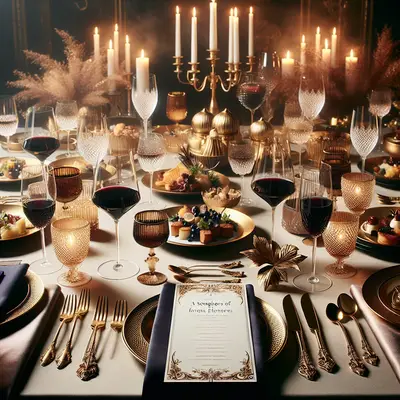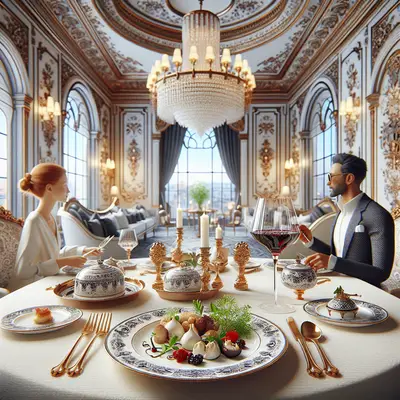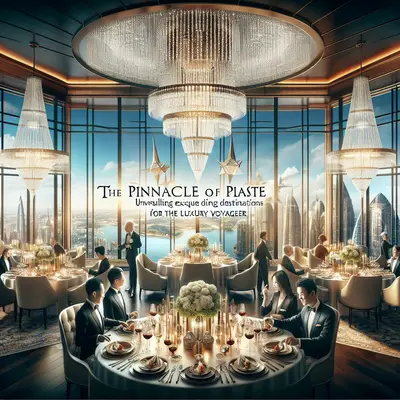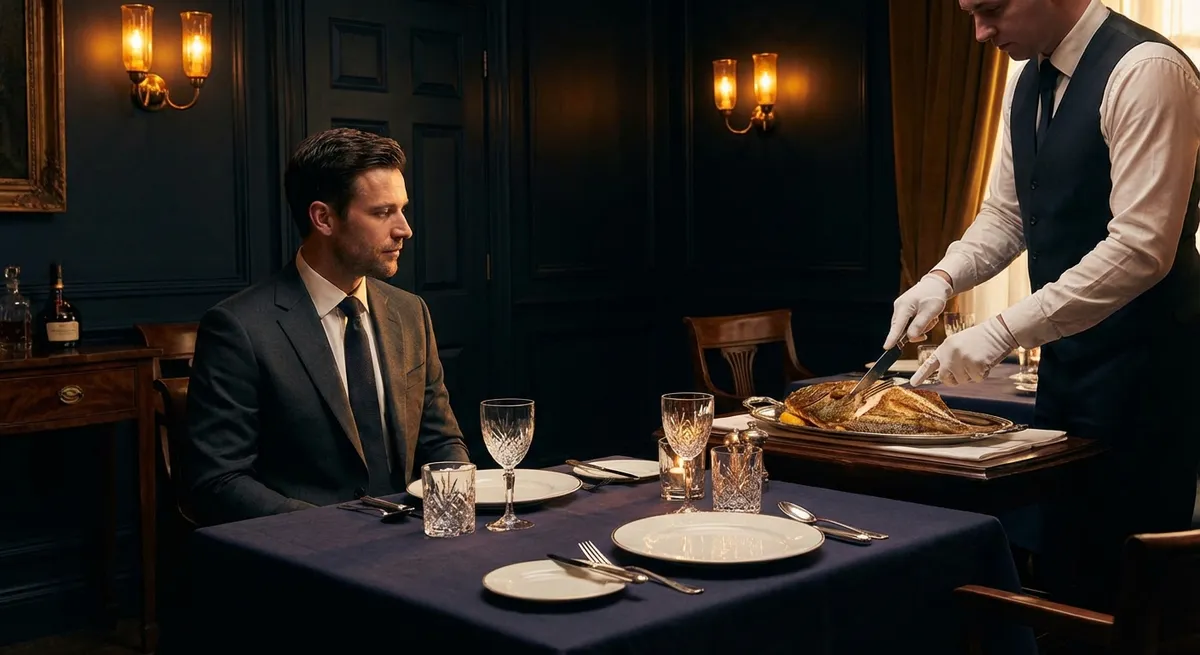
Fine dining, at its most compelling, is no longer about spectacle. For the luxury traveler, it has evolved into a private art form—measured not by decibels or theatrics, but by intention, precision, and an almost cinematic control of atmosphere. The most memorable meals feel less like reservations and more like encounters: with a chef’s philosophy, a city’s hidden rhythm, and one’s own preferences, refracted through a lens of meticulous hospitality.
What separates a merely excellent restaurant from a truly extraordinary fine dining experience is rarely visible on the surface. It resides in quiet decisions, subtle calibrations, and a choreography that starts long before you sit down. The following five insights reveal how today’s most discerning travelers are experiencing fine dining on a deeper, more confidential level.
The Pre-Arrival Dialogue: Crafting the Meal Before You Land
For those accustomed to premium travel, the experience often begins before takeoff—and so should the meal. At the upper tier of fine dining, the reservation is no longer just a time slot; it is the opening line of a conversation. Elite guests increasingly expect restaurants to treat pre-arrival communication as part of the service, not an administrative chore.
This can mean more than noting allergies or preferences. At the most refined properties, the restaurant quietly studies your profile: prior visits, wine orders, even preferred pacing. Integrated luxury hotels and resorts may sync with concierge notes, recognizing that you have just come off a long-haul flight, adjusting the menu toward lighter courses and lower-alcohol pairings. Some chefs will propose a “soft landing” menu for those arriving from multiple time zones—thoughtfully portioned, with hydration-forward pairings and dishes that focus on freshness over richness.
For the ultra-discreet traveler, pre-arrival dialogue can happen entirely through a trusted intermediary: a PA, a hotel’s head concierge, or a private aviation service. Details such as preferred water temperature, glassware shape, or even the desired level of interaction with staff can be communicated ahead of time. The result is a dinner that feels uncannily attuned: less like a public service and more like a private commission.
The Architecture of the Room: Reading a Space Like a Connoisseur
To the untrained eye, a dining room is a set of tables. To the seasoned traveler, it is a living diagram of intent. Where you are seated, what you face, and what you hear—or don’t hear—define the experience as surely as what is on the plate.
Quiet luxury travelers have learned to read the room quickly. They notice the discreet “prime seats”: those with a commanding but not exposed view, protected from heavy traffic routes and far from service stations, doors, or glare. In the world’s best dining rooms, these seats are lightly defended: offered first to regulars, guests staying in signature suites, or those referred by trusted concierges. Being led to such a table is a sign that your presence has been anticipated, not simply accommodated.
Acoustics are another subtle marker. The most considered rooms use layered textiles, strategic spacing, and architectural elements to achieve a low, flattering murmur. Noise is neither nightclub-loud nor library-silent; it is calibrated to protect private conversations while giving the space a sense of life. Lighting, too, operates in gentle gradients—warm, indirect, and skin-flattering, with no harsh spotlighting. Luxury diners increasingly value spaces where every environmental choice seems to say: you are meant to linger.
Beyond the Menu: Recognizing the Invisible Hand of the Sommelier
For travelers who reside frequently in premium cabins and business lounges, wine can risk becoming background. In true fine dining, it returns to center stage—but in a way that is intelligent rather than ostentatious. The modern sommelier is less a walking label compendium and more a curator of mood, tempo, and risk.
Luxury guests often look for signs of this deeper sensibility: a list that balances established regions with thoughtful, under-the-radar producers; glassware that changes with the wine; and a willingness to suggest half-bottles or by-the-glass pairings for those who want exploration without excess. The sommelier who asks how you want to feel—energized, comforted, surprised—rather than simply what you “like” is revealing a more nuanced approach.
At the top echelon, the wine experience is about narrative continuity. A seasoned sommelier can modulate your evening’s arc: starting with something crystalline and precise to clear travel fatigue, moving toward more textural, contemplative wines as the meal evolves. Many luxury travelers quietly test for flexibility—asking, for example, for a mature bottle served slightly cooler than standard, or for a serious wine in a stem usually reserved for more modest pours. The response to these requests is telling; it reveals whether the wine program truly serves the guest, or merely its own idea of prestige.
The Precision of Timing: Pacing as the New Luxury
Time, for those who travel well, is the rarest asset. In fine dining, the handling of time—its compression, expansion, and flow—has become one of the most important differentiators of quality.
Inexperienced rooms default to a single rhythm: either rushing or dragging. Refined service teams calibrate pacing actively. They note your arrival energy, whether you are fresh from a spa or straight off a delayed flight. They pay attention to how quickly your first glass goes down, how often your conversation dips into focus, and when you naturally lean back. Courses are timed not by a generic standard but by your table’s own internal tempo.
Luxury travelers increasingly appreciate rooms that can offer structured but intelligent flexibility. This might mean turning a multi-course tasting into something slightly more agile without losing coherence, or subtly extending pauses between courses when they sense a serious conversation underway. Precision timing is particularly valued for those who combine business and leisure at the same table. The most elevated service can stage the meal so that key negotiation moments happen when the table is clear, noise is low, and staff presence is minimal, returning with renewed attentiveness as decisions are concluded.
The Afterglow: How Exceptional Restaurants Continue the Experience
In the rarefied tier of fine dining, the evening does not end with the last bite. Instead, the finest restaurants curate an afterglow—an extended, quiet continuation of hospitality that can persist long after you’ve left the table.
This often begins with how the check is handled: discreet, efficient, and never disruptive to the tone of the conversation. For known travelers, preferred payment methods may be recognized and prepared in advance, minimizing friction. A brief, sincere farewell—perhaps with a small detail recalled from past visits—can transform a departure into a moment of connection rather than transaction.
For the globally mobile guest, the afterglow may extend digitally. Some restaurants follow up with a concise note sharing the name of a particularly memorable producer you enjoyed, or a recipe element that can be recreated at home. Others coordinate with hotel concierges so that your preferences are quietly communicated to sister properties in other cities. At the highest level, a relationship begins to form: your return visits feel less like bookings and more like chapter continuations in an ongoing conversation.
Ultimately, the enduring signature of great fine dining is not extravagance but memory. The most treasured meals among luxury travelers are those that travel with them—encoded in subtle gestures, exceptional discretion, and an almost invisible architecture of care that keeps unfolding long after the last course.
Conclusion
For luxury travelers, fine dining is no longer a trophy to be collected; it is a form of private craftsmanship to be experienced with discernment. The most memorable restaurants today excel in arenas that are difficult to photograph or post: pre-arrival intelligence, carefully drawn floor plans, nuanced wine storytelling, precise pacing, and a thoughtful afterglow.
Recognizing these elements changes how you dine. You begin to see beyond the plate—to the quiet systems, decisions, and values that shape every moment. In a world saturated with visible status, the true connoisseur turns toward the invisible: the details that cannot be staged for the casual observer, but are immediately legible to those who travel well, and pay attention.
Sources
- [Michelin Guide – What Is Fine Dining?](https://guide.michelin.com/en/article/dining-out/what-is-fine-dining) – Overview of fine dining principles, service standards, and guest expectations
- [The World’s 50 Best Restaurants – Insights & Features](https://www.theworlds50best.com/stories/News.html) – Industry perspectives on evolving fine dining trends and guest experiences
- [Cornell University School of Hotel Administration](https://sha.cornell.edu/faculty-research/centers-institutes/chr/research/) – Research on hospitality operations, service design, and guest satisfaction in high-end settings
- [Forbes Travel Guide – Restaurant Standards](https://www.forbestravelguide.com/about/award-winners) – Criteria and benchmarks for top-tier restaurant service and ambiance
- [Wine & Spirit Education Trust (WSET)](https://www.wsetglobal.com/news-events/features/) – Educational insights into wine service, pairing philosophy, and the modern role of the sommelier
Key Takeaway
The most important thing to remember from this article is that this information can change how you think about Fine Dining.