For the luxury traveler, fine dining is no longer a performance staged under bright lights. It is a quiet, orchestrated experience where every detail—light, sound, pacing, glassware, even the distance between tables—is calibrated to your sense of ease. The most compelling restaurants at the upper tier of global hospitality are not merely serving dishes; they are curating a private world for the brief hours you inhabit their space. What distinguishes these experiences is not only what arrives on the plate, but how invisibly, intelligently, and intimately it is delivered.
Below are five exclusive, less-spoken insights into the fine dining landscape that matter to those who travel well—and prefer their luxuries measured, not shouted.
The Architecture of Discretion
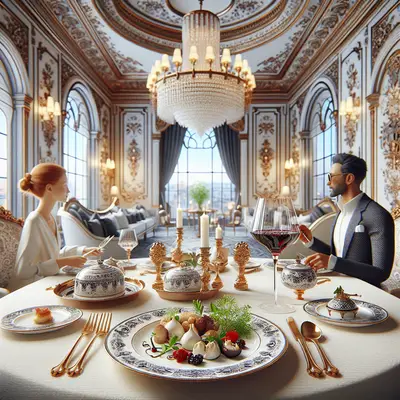
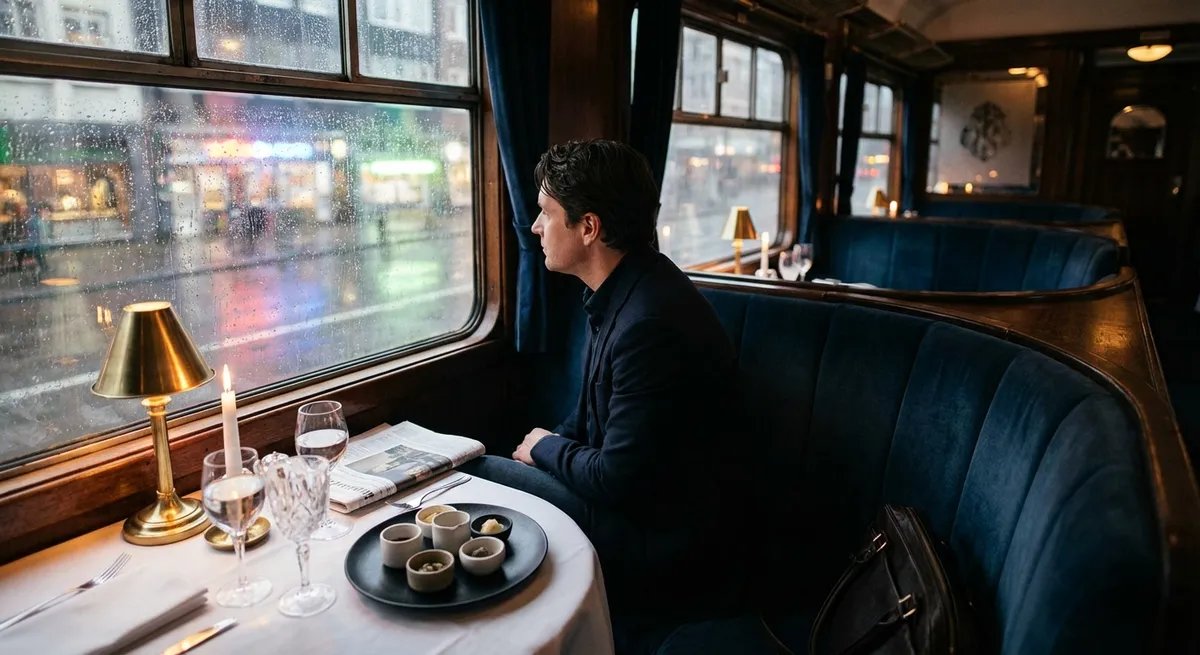
In the most considered dining rooms, luxury is built into the architecture long before a menu is printed. For the seasoned traveler, the decision to return to a restaurant often hinges not on a signature dish but on how the room holds them: the relationship between table size and seating depth, the way a banquette subtly angles to shield conversations, the soft gradient of light that flatters faces without ever glaring off glass.
At the top level, spatial design becomes an unspoken amenity. The finest dining rooms use materials—woods that soften acoustics, fabrics that absorb rather than reflect sound, table linens that feel substantial under the wrist—to create a bubble of calm even in a fully booked service. You will notice that truly elite spaces avoid hard, echoing minimalism; they favor quiet, layered textures that feel less like a restaurant and more like a thoughtfully designed residence.
The luxury traveler understands that this architecture is as important as the wine list. Before you book, it is worth studying images of the room as closely as the menu: the distance between tables, the visibility of the kitchen, the ceiling height, the presence of windows or views. In an age where many venues chase spectacle, the real privilege is often a room that lets you feel, for a few unhurried hours, entirely unobserved.
Service as an Invisible Script
At the refined end of hospitality, service is composed like a script, but one that is rewritten around each guest’s preferences. This goes well beyond friendly attentiveness. The best teams are trained not just in technique but in observation: the angle of a guest’s shoulders, the way they glance toward the door, how quickly or slowly they return to their glass. These details guide whether your evening unfolds as lively, cocooned, celebratory, or quietly introspective.
Discretion is the true currency. Watch how the staff manages timing—courses landing a heartbeat after your conversation naturally pauses, refills that never require a request, cutlery replaced with a kind of silent choreography that barely disturbs your thought. At this level, pre-briefings about guests are standard, particularly when you book through high-end concierges or arrive as a repeat visitor. Preferences from previous visits in other cities, allergies noted at a sister restaurant, your favored aperitif—all of this can follow you if you consistently move within the upper tiers of global hospitality.
For the luxury traveler, one of the subtle privileges is the ability to shape this script without ever appearing demanding. Communicating a preferred pacing, indicating whether this is a business dinner or a private celebration, or quietly signaling that you prefer minimal interaction allows the restaurant to calibrate itself around you. The most sophisticated rooms appreciate guests who understand this dance and engage with it gracefully.
The New Language of Menus and Pairings
As fine dining evolves, its language has become more coded, streamlined, and—at the top end—remarkably direct. The days of florid menu descriptions are receding in favor of understated lists of ingredients, often with just three or four words per course. To the informed traveler, this brevity is not a lack of imagination but a signal of confidence: the restaurant is suggesting you trust the kitchen’s technique and interpretation rather than dictating how you should feel about the dish.
Tasting menus remain the backbone of many destination restaurants, but a new subtlety is emerging in how they are structured. Options for shorter progressions, parallel vegetarian journeys, or nearly “invisible” custom menus for guests with particular preferences are often available, even when not advertised. The best way to access them is not by demanding off-menu experiences, but by engaging your maître d’ or sommelier early and clearly about what you enjoy: lighter profiles, certain regions, an avoidance of heavy creams or overly smoky notes.
Pairings have become more nuanced as well. Beyond traditional wine flights, elite programs now integrate low-ABV cocktails, non-alcoholic ferments, tea infusions, and fortified wines in a way that mirrors the arc of the meal. For a frequent traveler, this allows for multiple fine dining experiences in a week without palate fatigue or physical excess. The real luxury is not an overwhelming cellar, but a pairing philosophy that listens—to the season, to the menu, and to your capacity.
Provenance, Seasonality, and the Ethic of Luxury
Modern high-end dining has quietly redefined what “premium” means. Rarity still matters, but thoughtless extravagance no longer does. The world’s leading restaurants increasingly view sustainability, traceability, and agricultural partnerships as non-negotiable. For the refined traveler, this is not about trend-chasing; it is about alignment of values. Where your dinner comes from—and how it arrives on your plate—is now a key dimension of true luxury.
You will notice that top-tier menus frequently read like cartographic notes: coastal regions for shellfish, specific farms or growers for produce, even particular aging rooms for cheeses. This specificity is not solely marketing; it is a signal that the restaurant is deeply connected to its ecosystem. In some destinations, kitchens work almost entirely from nearby producers, designing menus around what arrives that week rather than what a chef imagines in isolation.
For those who travel to dine, asking quiet, informed questions about sourcing often unlocks a deeper layer of the experience. How long a relationship has the restaurant had with a particular farm? Which ingredients are foraged, and by whom? Is there a focus on heritage breeds or lesser-known varieties to preserve biodiversity? The answers reveal whether you are participating in a considered, ethical expression of place—or simply consuming luxury as an aesthetic.
The most satisfying dinners now are those where pleasure and responsibility are not at odds: where a course can be exquisite on the palate and reassuring to the conscience. That equilibrium is increasingly the hallmark of the finest tables around the world.
Beyond the Plate: Atmosphere as a Curated Sensory Field
At a certain level, fine dining becomes less about individual dishes and more about the total field of perception. Seasoned travelers know that what stays with you years later is often the glint of candlelight on stemware, the particular temperature of the room, the barely perceptible hum of a discreet sound system, the scent of polished wood and linen when you are first seated. The best restaurants curate these elements with the same precision as a grand hotel suite or a private jet cabin.
Light, for instance, is rarely left to chance. Top spaces calibrate illumination over the course of the evening—subtly dimming as service progresses, ensuring that menus remain legible while faces are gently flattered, and carefully minimizing glare from open kitchens or bar stations. Sound, too, is controlled with intention: carefully chosen playlists at a barely conversational volume, or in some cases, no music at all, allowing the natural murmur of the room to serve as the soundtrack.
Temperature control is more crucial than most guests realize. Truly meticulous rooms will adjust HVAC in anticipation of peak service to maintain consistent comfort even as the room fills, with particular attention to guests seated near windows, doors, or open kitchens. Tabletop design operates at this same level: the weight of cutlery, the rim of the glass, the traction of the linen under your hands. None of these are incidental; each is a choice, tested and refined.
For the luxury traveler, attuning to these elements changes how you select and value restaurants. You begin to recognize when a room has been designed for photography versus when it has been created for lived experience. The latter is where you will want to linger—and where a third or fourth visit becomes almost inevitable.
Conclusion
For those who travel in search of refined experiences, fine dining is not simply about pursuing the “best restaurants in the world.” It is about seeking out spaces where architecture, service, sourcing, menu design, and atmosphere are all quietly aligned with how you prefer to live. The most meaningful dinners are not always the most elaborate, but the most attuned: to your pace, your privacy, your values, and your senses.
In an era of constant visibility, the ultimate luxury may be an evening in which everything around you seems to recede, leaving only conversation, flavor, and the reassuring sense that, for a few considered hours, the world has been arranged with careful intent on your behalf. Those are the tables worth crossing oceans for—and returning to.
Sources
- [The World’s 50 Best Restaurants – Official List & Academy](https://www.theworlds50best.com/) - Global reference for leading fine dining establishments and evolving trends in high-end gastronomy
- [Michelin Guide – Official Website](https://guide.michelin.com/) - Authoritative insight into restaurants recognized for exceptional cuisine, service, and overall dining experience
- [Harvard T.H. Chan School of Public Health – Sustainable Diets](https://www.hsph.harvard.edu/nutritionsource/sustainability/) - Explores sustainability and food systems, informing the discussion on ethical sourcing in fine dining
- [Cornell University School of Hotel Administration – Hospitality Research](https://sha.cornell.edu/faculty-research/centers-institutes/chr/research/) - Academic research on service design, guest experience, and luxury hospitality operations
- [UN World Tourism Organization (UNWTO) – Gastronomy and Tourism](https://www.unwto.org/gastronomy-tourism) - Examines the relationship between gastronomy, place, and high-end travel experiences
Key Takeaway
The most important thing to remember from this article is that this information can change how you think about Fine Dining.