The most memorable meals for luxury travelers rarely announce themselves with spectacle. They unfold quietly—course by course, gesture by gesture—until you realize you’re not simply eating, you’re being conducted through an experience calibrated to your preferences, your tempo, and even your unspoken moods. For the discerning guest, fine dining is less about tablecloths and more about orchestration: how service, setting, and flavor converge into something that feels made only for you.
Below, five exclusive insights reveal how the world’s most sophisticated diners evaluate and curate their gastronomic experiences—well beyond the visible menu.
The Architecture of the Room Matters More Than the View
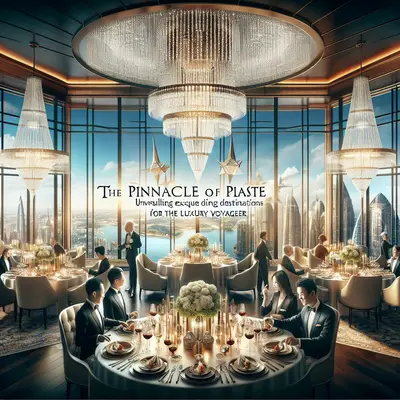
For seasoned travelers, the true luxury of a dining room is not its Instagrammable skyline but its ability to hold a conversation at a whisper. The best restaurants for high-level meetings and intimate celebrations are often designed like acoustic sanctuaries: layered fabrics, strategic spacing, and subtle partitions that absorb sound rather than amplify it.
Airflow is another quiet indicator of quality. A properly engineered room keeps aromas balanced: the perfume of butter and stock never overpowers, and you’ll never leave with your jacket smelling like the kitchen pass. Lighting, too, is carefully tuned—warm enough to flatter faces and glassware, but precise enough to let you read a tasting menu without squinting.
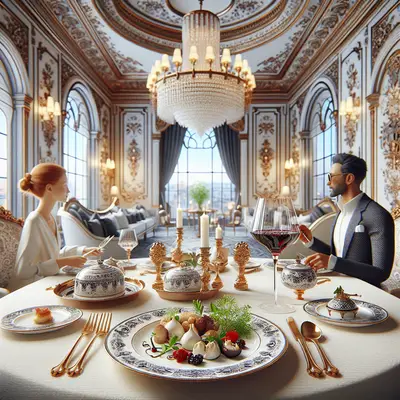
Table geometry is an underappreciated detail. Slightly rounded tables invite conversation; too-large surfaces can create emotional distance. Chairs with the right pitch and support allow you to linger through extended tasting menus without fatigue. For the elite traveler, the question is not “Is the restaurant beautiful?” but “Was this room designed for my comfort, or for someone else’s photograph?”
The Discreet Dialogue Between Chef and Guest
In the highest echelon of dining, the menu is only the starting point of a private conversation between kitchen and guest. Regulars—and those who understand the grammar of fine dining—often treat posted menus as a suggestion, not a script. A quiet word to the sommelier about your preferences can unlock off-menu pairings, cellar-only bottles, or rare vintages poured by the glass for those who know to ask.
Serious kitchens track more than allergies; they remember nuances. Your aversion to aggressive smoke, your fondness for bitter greens, your preference for portions that allow you to finish every course with ease—these become part of your culinary profile. Guests who return to marquee restaurants across continents find something magical: the sensation of being recognized not just by name, but by palate.
The most refined travelers also understand timing as part of this dialogue. Communicating your preferred pace—slower for deep conversation, or more brisk when you have a curtain time—is a subtle but powerful way to personalize the meal. In elite dining rooms, tempo is as meticulously managed as seasoning.
The True Luxury: Precision in Pairing and Non-Alcoholic Craft
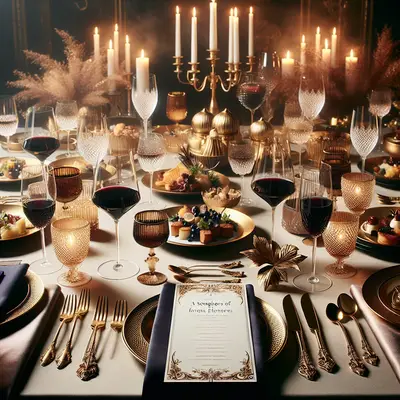
For many, wine pairings are the default signifier of refinement. But among high-end travelers, attention is shifting toward the sophistication of the entire beverage program—alcoholic and otherwise. A serious fine dining establishment will present wine not as a status symbol, but as an extension of the chef’s intent: acid to cut richness, tannin to frame protein, aromatics to echo a dish’s fleeting top notes.
The new benchmark of luxury, however, lies in the non-alcoholic pairings. Thoughtfully crafted infusions, clarified juices, teas, and ferments—served in stemware with the same ceremony as wine—signal an elevated understanding that not all premium experiences require alcohol. The best programs avoid excessive sweetness and instead mimic wine’s structure: layers, minerality, and length.
Global travelers are also increasingly attentive to provenance and sustainability: small grower Champagne, low-intervention wines, and tea programs sourced from single estates. When a sommelier can speak with equal fluency about an old-vine Riesling and a hand-harvested oolong, you’re not just in a restaurant—you’re in a house of curation.
Service as Choreography, Not Performance
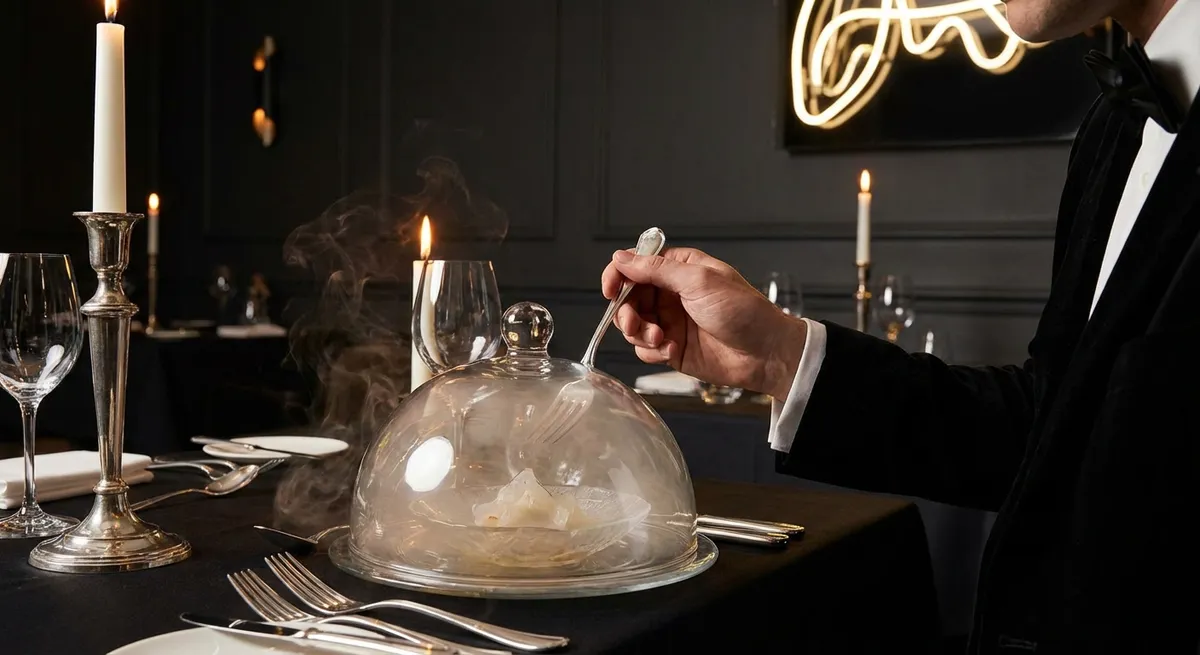
At the top end of the spectrum, service is neither fawning nor distant; it’s anticipatory. Elite guests notice the choreography: how plates land in unison, how a crumbed table appears as if by intuition, how a dropped napkin is replaced before you reach for it.
The most accomplished service teams read micro-signals. A slight lean back can prompt a pause between courses; a fleeting glance at your watch may result in a seamless adjustment of pacing without a single word. Silence is used judiciously—enough context is given to frame each dish, but never so much that the table feels like an audience.
For travelers accustomed to privacy and discretion, one detail stands out: the staff’s ability to recognize when formality can relax. This might mean loosening the tone halfway through the meal, offering a spontaneous kitchen preview, or tailoring the level of explanation to your interest. When service becomes responsive rather than scripted, the meal feels not like theater—but like hospitality.
The New Exclusivity: Time, Access, and Personalization
For luxury travelers, the rarest currency in fine dining is no longer simply a hard-to-get reservation; it’s what happens beyond the public-facing experience. Private kitchen counter experiences, early-access menu previews, or chef-led off-hour tastings signal a deeper relationship with a restaurant’s inner world.
Increasingly, high-net-worth diners are curating itineraries around culinary access: booking extended lunches in place of traditional dinners to secure peak attention from the kitchen team, or coordinating menus with hotels to ensure seamless transitions from pre-dinner cocktails to late-night dessert pairings.
Personalization now extends across cities and even countries. Some luxury hotel groups and concierge services maintain detailed dining profiles for frequent guests, allowing partner restaurants to prepare in advance: preferred table types, ambient noise thresholds, dietary philosophies, favored producers, even anniversaries of past landmark meals.
The apex of exclusivity is not about being seen in the right room; it’s about being quietly known within it.
Conclusion
For those who travel well, fine dining is no longer a trophy experience—it is an intimate, evolving ritual. What distinguishes a truly premium meal is less about the obvious markers of luxury and more about the invisible details: the architecture of privacy, the nuance of dialogue with the kitchen, the intelligence of pairing, the fluency of service, and the depth of personalization over time.
When these elements align, dinner ceases to be a single evening and becomes part of a larger narrative—a series of meals, across cities and continents, that feel improbably consistent in one respect: every table, somehow, seems designed precisely for you.
Sources
- [The World’s 50 Best Restaurants – Official List & Profiles](https://www.theworlds50best.com/) - Offers insight into global fine dining benchmarks, chef philosophies, and service standards
- [Michelin Guide – About the Guide & Selection Criteria](https://guide.michelin.com/en/about-us) - Explains how Michelin evaluates restaurants, including service, consistency, and quality
- [The New York Times – “The Art of Fine Dining Service”](https://www.nytimes.com/2019/11/04/dining/fine-dining-service-restaurants.html) - Discusses how elite restaurants approach service, timing, and guest experience
- [Harvard T.H. Chan School of Public Health – “The Nutrition Source: Beverages”](https://www.hsph.harvard.edu/nutritionsource/healthy-drinks/) - Context for evolving beverage expectations, including non-alcoholic options
- [U.S. Travel Association – Luxury Traveler Trends](https://www.ustravel.org/research) - Provides data and reports on changing preferences among high-end travelers, including experiential and culinary priorities
Key Takeaway
The most important thing to remember from this article is that this information can change how you think about Fine Dining.