The most discerning travelers are no longer chasing louder logos, bigger suites, or flashier itineraries. Instead, they’re curating something far more elusive: the feeling that every detail has been considered before they even think to ask. This is the new art of unavailable luxury—experiences that cannot simply be booked with a card, but must be earned through taste, discretion, and the right kind of access.
For Jet Ready’s audience, premium living is not about accumulation; it’s about orchestration. The pleasure lies in the quiet precision of an itinerary that flows, the rare moment of stillness in a private cabin mid-flight, the soft choreography of a hotel team that appears and disappears at exactly the right moments. Below are five exclusive insights into how the world’s most refined travelers are elevating every journey—not with spectacle, but with nuance.
1. Curated Jet Ecosystems, Not Just Private Flights
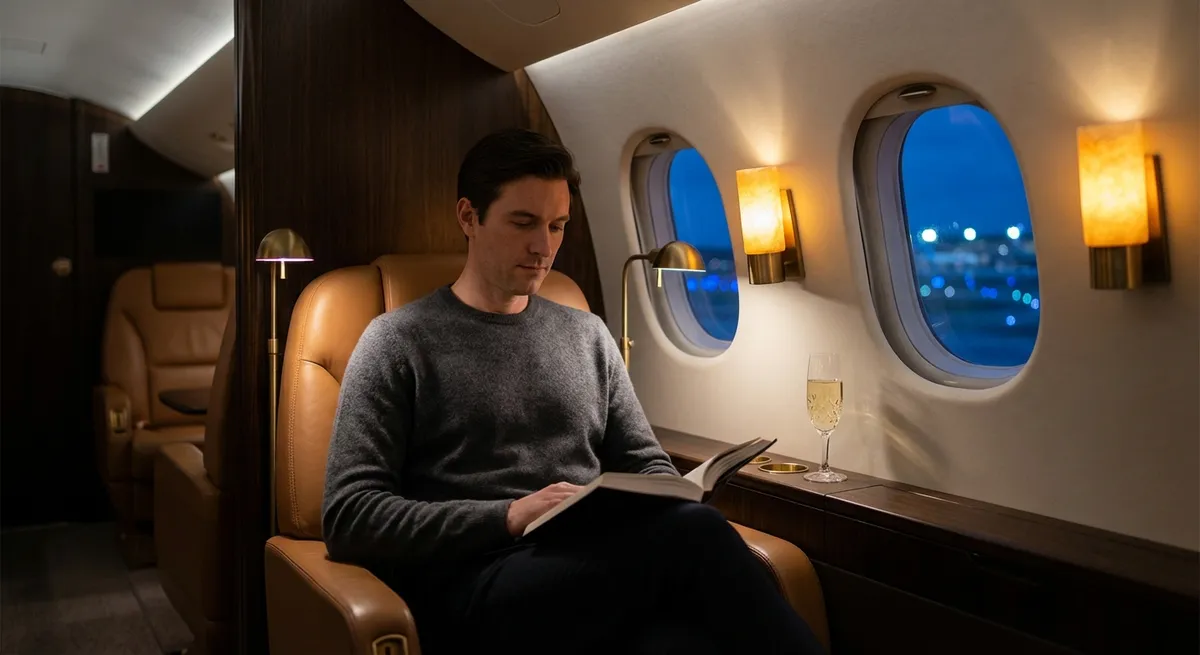
For sophisticated travelers, the private jet itself is no longer the headline. The real luxury lies in the ecosystem that surrounds it: the seamless transfer from town car to tarmac, the bespoke onboard ambiance, and the choreography that ensures no friction from departure to arrival. Rather than simply chartering a jet, elite travelers are aligning with boutique aviation operators who understand their aesthetic, dietary rituals, work habits, and even preferred cabin scent profile. A flight becomes not just transport, but a tailored environment that feels like a traveling sanctuary.
Some travelers are now commissioning temporary onboard “sets” for long-haul journeys—modular lounge layouts, capsule-style sleep zones, or private tasting counters staffed by a guest chef for one leg of the journey. Cabin lighting is programmed to simulate circadian rhythms based on time zones and upcoming commitments, while soundscapes are curated for focus, rest, or quiet celebration. The plane is no longer a break in the journey’s quality; it is the central thread that ties every destination together. In this ecosystem, convenience is assumed—what’s prized is the deliberate curation of atmosphere.
2. Destination Residences Over Signature Suites
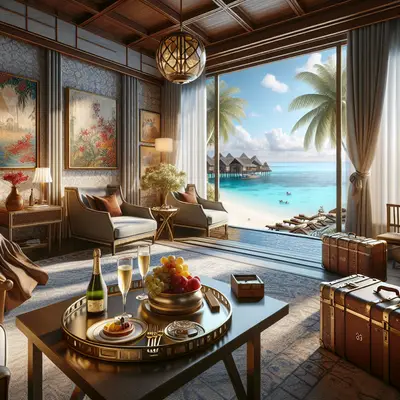
The traditional presidential suite, however opulent, is losing ground to something more intimate and controlled: destination residences that feel like a private home quietly embedded inside the world’s most coveted locations. These are not listed on hotel websites. They are often annexes, discreet villas, or penthouse residences accessible only to specific clients, sometimes co-designed with renowned architects or interior designers who understand tactile luxury on a sensory level.
These residences offer a different rhythm of travel. The butler is not a symbol of status, but an invisible partner in your daily rituals—knowing precisely how you take your tea before a morning call, when you prefer fresh flowers swapped, or how to stock the pantry with brands you can’t be bothered to request. Wardrobes arrive pre-steamed, art is rotated to match your taste, and the kitchen feels genuinely ready to host an impromptu chef’s table for four. Here, the privilege is not just space; it’s the slow, quiet confidence of feeling at home in a city you barely know.
3. Time-Rich Itineraries Crafted Around Personal Energy, Not Sights
Legacy luxury itineraries focused on seeing “everything”: landmark-hopping, restaurant marathons, and overfilled days that looked affluent on paper but felt exhausting in practice. Today’s high-caliber traveler is more interested in itineraries designed around their personal energy profile—how they actually move through a day when they are at their absolute best. The result is a new breed of time-rich travel planning that prioritizes performance, recovery, and meaning over sheer volume.
Instead of a rigid sequence of activities, travelers are commissioning dynamic itineraries: morning capsules that can flex between spa, gym, or guided meditation depending on how they slept; midday options calibrated around sun exposure, climate, and cognitive demands; twilight windows reserved for experiences that reward presence rather than documentation. Local specialists and private guides are placed “on hold” rather than locked in, allowing you to decide in the moment whether to spend the afternoon in a gallery after-hour, on a yacht at golden hour, or simply by the pool with nothing but a book and a silent phone. The new indulgence is the luxury of declining—and still feeling you’ve missed nothing.
4. Signature Services Replaced by Personal “Codes” of Care
The world’s most sophisticated hotels and travel services are quietly phasing out generic VIP perks—welcome champagne, fruit baskets, and stock “amenity” lists—in favor of personal codes of care that are unique to each guest. For the truly premium traveler, this is where the relationship shifts from transactional to almost collaborative. Over time, a guest’s behavioral data, preferences, and micro-rituals are distilled into a living profile that is less about what they buy and more about how they live.
This can manifest in elegantly understated ways: having the room already set to your preferred humidity level upon arrival; a specific type of glassware placed by the bedside; your chosen reading light temperature dialed in; a playlist waiting on the sound system that reflects your last stay’s mood, not an algorithm’s guess. Even off-property experiences shift to this code. Drivers recognize your favored route through the city—more scenic, less traffic, fewer traffic lights. Fitness trainers adjust travel workouts based on jet lag, not a static program. Over multiple stays, the feeling is not simply that you’re recognized, but that your evolving tastes are being quietly, respectfully memorized.
5. Private Access to “In-Between” Moments, Not Just Big Events
Front-row seats, backstage passes, and chef’s tables have become almost expected at a certain level of travel. The true differentiator now is access to the in-between moments—the unscripted transitions where a place reveals its real character. This might mean a quiet hour in a museum before the staff arrives, standing in silent galleries as lights come on one by one; an early-morning walk through a vineyard with the winemaker before the workers arrive for harvest; or a private rehearsal instead of the gala performance everyone else sees.
Sophisticated travelers are increasingly asking for these liminal experiences: a city’s empty streets just before dawn, a private airport hangar visit with a designer unveiling a new jet interior concept, or a quiet tasting with a perfumer while they’re still adjusting the final formula of a fragrance not yet released to the public. These moments are rarely listed in brochures. They rely on relationships, trust, and a certain reputation for discretion. The luxury is not that others can’t afford it, but that they don’t even know it exists.
Conclusion
Premium travel in its most evolved form is no longer about being seen in the right places—it is about feeling precisely, exquisitely placed in every moment. From curated jet ecosystems to destination residences, from time-rich itineraries to personal codes of care and in-between access, the future of luxury belongs to those who value orchestration over ostentation. For the Jet Ready traveler, the ultimate upgrade is not louder, bigger, or brighter; it is simply this: a life in motion that feels, at every turn, exactly as considered as it looks.
Key Takeaway
The most important thing to remember from this article is that this information can change how you think about Premium Lifestyle.