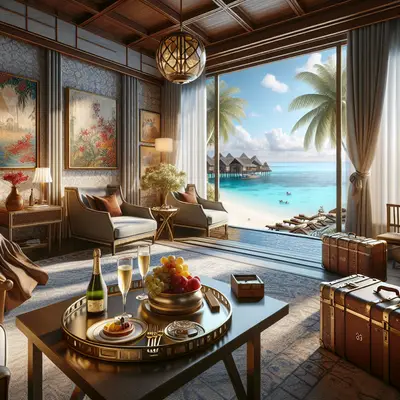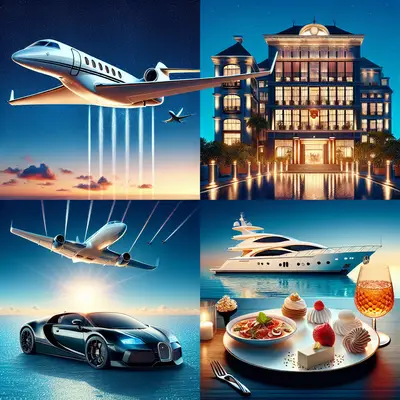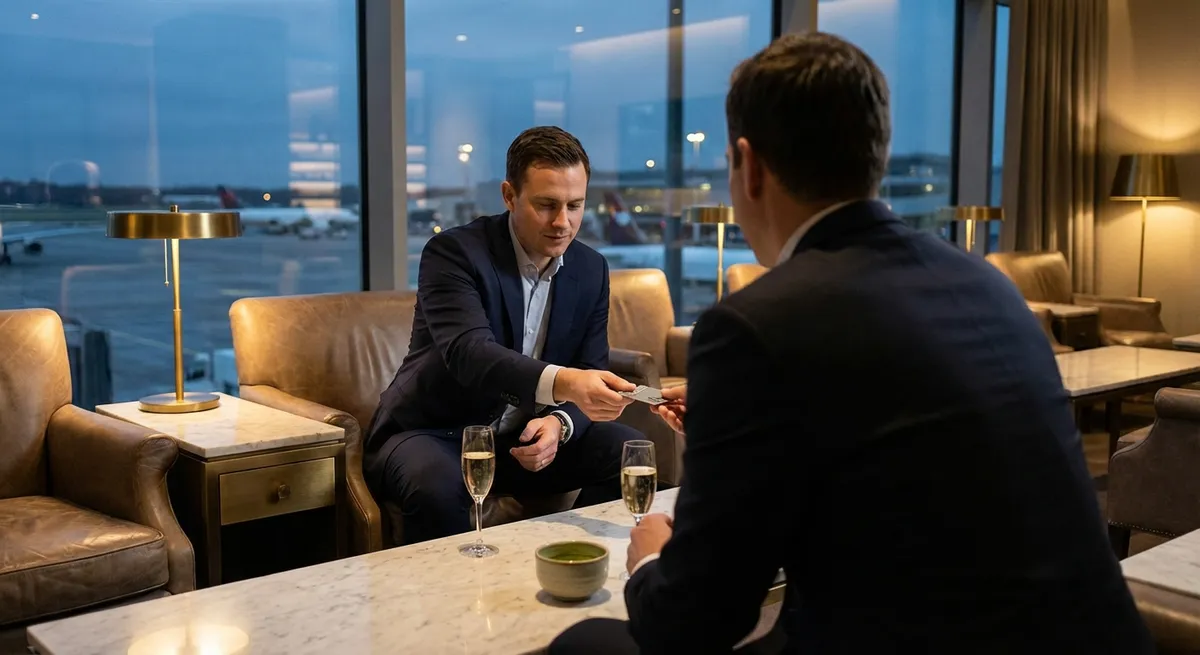
A premium life is rarely defined by the obvious. For the truly discerning traveler, luxury is less about logos and more about the unspoken codes that govern access, ease, and discretion. These are the details that never appear on a booking confirmation, yet fundamentally shape the journey: the way a room is prepared, how a table appears when you sit down, who anticipates your preferences before you voice them.
This is the realm where itineraries become choreography and time itself feels curated. Below, five exclusive insights into how sophisticated travelers subtly redesign the rules of movement—and how you might begin to travel by the same quiet codes.
1. Curating Time Zones, Not Just Destinations
For the premium traveler, the true luxury is temporal, not geographic. Destinations are selected not only for scenery or status, but for how time behaves once you arrive: the softness of mornings, the density of afternoons, the way evenings stretch or contract based on latitude and season.
Instead of asking “Where should I go next?”, refined travelers ask, “What rhythm do I want my days to have?” A winter escape might prioritize long, drawn-out evenings conducive to tasting menus, private concerts, or extended conversations by a fire. A Mediterranean shoulder-season stay may be chosen for its luminous mornings, perfect for uninterrupted work, writing, or training, before the world fully wakes.
Flight times are chosen not to “arrive as early as possible,” but to arrive at a time that protects cognitive clarity. This might mean intentionally avoiding early-morning red-eyes in favor of routes that sync with your natural chronotype, or routing through airports with superior lounges, spa services, and quiet zones to turn layovers into purposeful decompression.
The premium lens turns time zones into an instrument: something tuned, not merely endured.
2. Designing a Personal Infrastructure of Ease
Premium travelers do not simply “use services”; they build a quiet personal infrastructure around their travel life. This infrastructure preserves decision-making capacity for what actually matters by making everything else almost frictionless.
At its core are a few carefully chosen pillars: a trusted aviation advisor or private jet broker; one or two hotel groups or collections whose standards align with your preferences; a boutique travel designer who understands your habits better than any app; perhaps a membership that grants access to private terminals (FBOs), invitation-only lounges, or on-demand chauffeurs.
But the most sophisticated infrastructure is personal, not purchased. It includes a refined packing protocol—custom garment bags or modular packing cubes, a pre-packed dopp kit with travel-size prescriptions and skincare, a designated travel wardrobe that can work across climates and social codes with minimal pieces. It might also involve a “travel profile” shared with your preferred properties: lighting preferences, pillow density, minibar curation, even preferred tea varietals or scent families.
Over time, this infrastructure turns travel days into something closer to a familiar ritual than a logistical gauntlet. The journey ceases to feel like an interruption to your life and instead becomes an elegantly portable extension of it.
3. Mastering the Art of Invisible Access
Subtle access is the new currency of premium travel. The goal is not to be seen getting access, but to move through spaces as if they have quietly opened for you by default.
Rather than chasing obvious VIP markers—roped-off areas, ostentatious arrivals—the refined traveler privileges invisible advantages: a back entrance at a restaurant that keeps you out of the crowd; priority security and immigration channels that render airports almost weightless; relationships with concierges and local fixers who secure reservations and arrangements quietly, without the theater of “making an exception.”
This form of access is rarely transactional in the short term. It is built through consistency, generosity of feedback, respect for staff, and the discretion to never turn private favors into public performance. Luxury hoteliers, private aviation teams, and yacht crews speak often about the guests they quietly prioritize: those who understand the ecosystem, respect boundaries, and elevate the tone of the experience for everyone.
The ultimate expression of invisible access is becoming the guest who needs nothing explained. You know when to arrive, how to move, which questions not to ask. You participate in maintaining the illusion that everything “just happens,” even when you know how much curation lies beneath the surface.
4. Treating Wellbeing as a Non‑Negotiable Design Principle
In the premium sphere, wellbeing is no longer a spa treatment tacked onto a heavy itinerary. It is a structural design principle that quietly governs choices—from flight timing to suite selection to dining cadence.
Sophisticated travelers increasingly view physical and cognitive performance as assets to be protected. That may mean prioritizing aircraft cabins with lower effective altitude and higher humidity to reduce jet lag and fatigue. It can look like booking suites with separate living and sleeping areas, ensuring that bedrooms remain technology-light, dark, and acoustically quiet for quality rest.
On the ground, the gym is no longer an afterthought. Properties with serious movement spaces, cold plunges, infrared saunas, or partnerships with elite trainers and performance clinics hold a distinct advantage. In-room wellness amenities—proper yoga mats, recovery tools, circadian lighting, medical-grade air purification—signal a property designed for people who cannot afford to “lose days” to travel fatigue.
Nutrition follows the same logic. The premium traveler increasingly prefers menus that can flex from indulgent to functional: low-glycemic breakfasts for long working days, anti-inflammatory options post-flight, yet still with the option for remarkable, memory-worthy dinners. The goal is not asceticism but range—the ability to perform, restore, or savor at will.
5. Collecting Relationships, Not Just Reservations
At a certain altitude of travel, reservations are no longer the scarce commodity—relationships are. Truly premium experiences often exist in the spaces between official offerings: a chef who sends a dish “not on the menu,” a sommelier who remembers your last tasting, a villa manager who rearranges an entire day to align with a passing weather window.
This happens when the traveler treats each interaction as part of a long-term conversation rather than a single transaction. Learning names, asking thoughtful questions, leaving meaningful feedback directly (not just via public review platforms), and offering considered gratuities where appropriate—all of these behaviors contribute to a subtle, powerful network.
Over time, you become recognizable across a constellation of properties, airlines, yachts, and restaurants, not because you are loud, but because you are consistent. Teams share notes; a preference recorded in one city quietly appears halfway across the world. Doors open, waitlists soften, special touches appear without announcement.
The refined traveler understands that many of the most extraordinary experiences cannot be bought in the conventional sense—they are extended by people who are invested in your continued return.
Conclusion
A premium lifestyle in motion is not built on spectacle; it is sustained by precision. The finest travelers are those who orchestrate their movements so deliberately that the result feels effortless—not only for themselves, but for everyone around them.
When you curate time zones instead of just destinations, build a personal infrastructure of ease, move by invisible access, design travel around wellbeing, and prioritize human relationships over mere reservations, you begin to inhabit a different tier of experience. One where luxury is not shouted or staged, but woven so tightly into the fabric of your journeys that it becomes the quiet, unbroken thread connecting every arrival and every return.
Sources
- U.S. Department of Transportation – Air Travel Consumer Reports - Authoritative data and insights on air travel performance, delays, and consumer experience
- International Air Transport Association (IATA) – Business Travel Insights - Industry reports on premium cabins, traveler behavior, and evolving demand in high-end travel
- World Tourism Organization (UNWTO) - Global tourism trends, including luxury and high-spend segments
- Harvard Business Review – The Staying Power of Wellness - Discusses the strategic importance of wellbeing and performance, relevant to wellness-focused travel design
- Forbes – The Future of Luxury Travel - Expert perspectives on how luxury travel is shifting toward personalization, discretion, and experience over display
Key Takeaway
The most important thing to remember from this article is that this information can change how you think about Premium Lifestyle.