Luxury travel is no longer a matter of square footage, brand names, or conspicuous itineraries. The most discerning travelers now curate experiences that feel entirely their own—quietly elevated, precisely tuned, and almost impossible to replicate. For this audience, luxury is not a performance; it is a private standard.
This is the realm of the invisible upgrade: where the finest details are felt rather than displayed, and where every choice, from flight routing to room orientation, is a deliberate calibration of comfort, time, and privacy.
Below are five exclusive, nuanced insights shaping how sophisticated travelers move through the world today.
1. The Art of Time-Rich Itineraries
For serious travelers, the most coveted luxury is no longer access; it is unclaimed time.
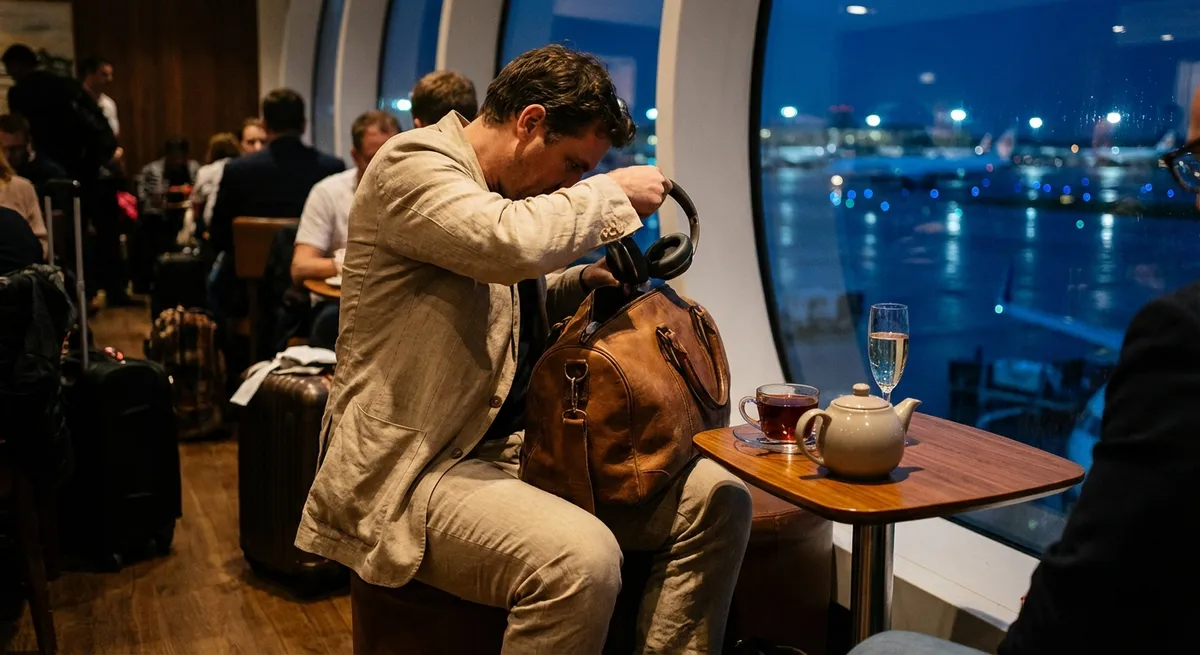
Rather than compressing multiple cities into a frantic itinerary, discerning travelers now build “time-rich” journeys—fewer destinations, deeper immersion, and schedules with deliberate negative space. Long layovers become purposeful: chosen for airport lounges with spa-grade showers, natural light, and quiet zones; selected hubs are not merely connections, but micro-retreats.
Breakfast is timed to avoid peak hours, private transfers are scheduled to miss traffic swells, and dinner reservations are made slightly earlier or later than the crowd to preserve a sense of calm. The result is a journey that feels unhurried even when crossing continents. Time is not spent; it is invested—with each margin of quiet becoming a form of return.
Behind the scenes, tools like flexible airline policies, premium cabin tickets with changeable fares, and membership-based airport services allow these travelers to shift their movements gracefully when life interferes. A time-rich itinerary is less a stroke of luck than the product of careful, unseen orchestration.
2. Scent, Sound, and Texture: The New Sensory Signature
The most elegant travelers understand that the atmosphere they carry with them matters as much as the rooms they book. Luxury becomes a sensory signature—subtle, consistent, and unmistakably theirs.
Scent is often the first layer: a single, refined fragrance that accompanies them from departure lounges to hotel lobbies, never overwhelming, always quietly present. Many will travel with a dedicated fragrance for journeys alone, lending each trip a distinct emotional imprint when remembered later. In-suite, they may request fragrance-free linens or specific room amenities to ensure their chosen scent remains the anchor, not an afterthought.
Sound is curated just as carefully. High-quality, noise-canceling headphones are standard, but the true luxury lies in the soundscape—a personal playlist or set of atmospheric tracks reserved exclusively for flying, reading, or city arrivals. Over time, this audio ritual becomes a form of instant grounding, a familiar environment in unfamiliar places.
Texture completes the triad. A cashmere wrap that travels everywhere, a weighty pen, a particular notebook, or compact slippers that never leave their carry-on—these elements form a tactile continuity across borders. The most discerning travelers know that when sensory details are constant, the world itself feels easier to navigate.
3. Privacy as Design, Not Defense
For those at the highest levels of travel, privacy is not about hiding; it is about intentional design.
This begins long before check-in. Choice of airline and cabin is informed not only by service reputation, but by seat layout and cabin density. A single aisle separating the traveler from the galley, a seat with direct aisle access that avoids foot traffic, or choosing flights at off-peak times—these decisions create a quiet perimeter long before the destination.
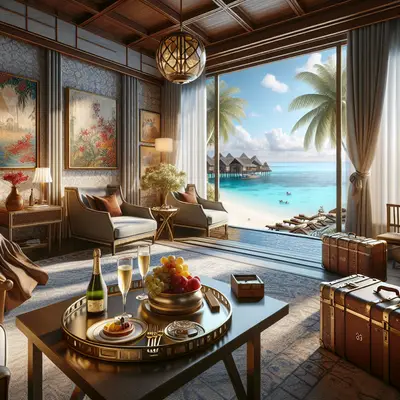
On the ground, privacy extends into architecture and location. Instead of automatically opting for the most ostentatious suite, sophisticated travelers may select corner rooms, garden-facing views, or residences with discreet secondary entrances. Service is requested to be anticipatory yet minimal—turndown at specific times, housekeeping windows that avoid calls or meetings, and direct communication with a single, trusted contact within the property.
Crucially, privacy is paired with respectful digital boundaries. Location tagging is delayed or omitted entirely, messages and calls are triaged through a single device or profile, and sensitive bookings are made through experienced advisors who understand discretion as a professional obligation. In this elevated tier of travel, privacy is not an emergency measure but a primary design principle—quietly integrated, never explained.
4. Curated Localism: Going Beyond the Standard “Insider Tip”
Access to “hidden gems” is no longer rare; a basic search yields dozens of so-called secrets in any major city. True sophistication lies not in novelty alone, but in curation that aligns precisely with one’s own sensibilities.
The refined traveler often relies on a layered approach: a trusted travel advisor with genuine on-the-ground relationships; select concierges known for subtlety rather than theatrics; and, increasingly, local experts in narrow domains—art, wine, architecture, design—engaged for private, immersive moments rather than generic tours.
Instead of chasing what is merely hard to book, they prioritize what is intellectually or emotionally resonant. A private viewing with a curator before a museum opens, a conversation with a winemaker over a barrel tasting, or a late-morning visit to a market with a chef who shops there daily. These experiences are rarely advertised; they are arranged through networks of trust.
Equally important is what is declined. The most discerning opt out of experiences that compromise authenticity for spectacle. They might bypass the city’s most photographed restaurant in favor of a lesser-known dining room where the chef has time to speak at the table. In an era of algorithm-driven “must-do” lists, their itineraries are refreshingly resistant to trend cycles—anchored instead in enduring interests and genuine connection.
5. The New Currency: Emotional Aftertaste
The most exclusive insight among refined travelers is perhaps the least visible: the understanding that the true value of a journey lies in its emotional aftertaste.
Rather than collecting destinations as status markers, they evaluate trips by a different metric: how they felt upon returning home. Did the journey create calm or depletion? Did it introduce new ideas, pause ongoing noise, or simply rearrange it? Did it leave behind images, conversations, textures, and flavors that quietly return in the weeks that follow?
To cultivate this, many build small, intentional rituals around their travels. A final evening with no reservations, just a slow walk and a drink at the hotel bar. A deliberate pause in the final hours to write notes—about a particular dish, a fragment of conversation, a piece of art that shifted something internally. Returning home, they may frame a single photograph, not a collage; choose one book or object as a tangible memory; or reserve a quiet evening after arrival with no social obligations.
In this frame, luxury travel ceases to be an interruption to life and becomes a refinement of it. Each journey is a careful adjustment to how one sees, feels, and chooses in the days that follow. The emotional aftertaste becomes the ultimate measure of whether the experience was truly premium—or merely expensive.
Conclusion
For the world’s most discerning travelers, luxury is no longer about being seen in the right places, but about moving through the world with precision, calm, and intentionality. Time-rich itineraries, carefully curated sensory signatures, privacy by design, deeply personal local experiences, and a focus on emotional resonance all signal a new, quieter benchmark for premium travel.
The invisible upgrade is not something you book; it is something you design—choice by choice, detail by detail—until each journey feels unmistakably like yours, wherever you are in the world.
Sources
- European Commission: Air Passenger Rights - Overview of flexibility, compensation, and protections that can support time-rich, adaptable itineraries
- International Air Transport Association (IATA) - Industry insights into cabin layout and comfort considerations relevant to privacy and seating choices
- Harvard Business Review – “Work and the Loneliness Epidemic” - Explores the emotional and psychological context that makes privacy, time, and emotional aftertaste increasingly valuable to high-performing travelers
- MIT Senseable City Lab - Research on how people move through cities, informing more intentional, locally attuned urban travel experiences
- World Tourism Organization (UNWTO) - Frameworks on sustainable and responsible tourism that intersect with curated, thoughtful, and less performative forms of luxury travel
Key Takeaway
The most important thing to remember from this article is that this information can change how you think about Premium Lifestyle.