For the discerning traveler, fine dining is no longer a mere interlude between meetings, flights, and gallery openings. It is a curated micro-universe: a place where time slows, conversation sharpens, and craftsmanship is distilled into a single, unforgettable evening. Beyond the obvious signals of luxury—starched linens, white-gloved service, and rare vintages—lies a subtler, more intricate language. Understanding that language transforms dinner from a reservation into a rarefied experience.
Below, five exclusive insights reveal how the world’s most sophisticated guests navigate contemporary fine dining with quiet confidence—and how they turn every table into a front-row seat to something extraordinary.
The Prelude Begins Before the Reservation
For luxury travelers, the experience starts long before stepping into the dining room. The most coveted tables are not simply booked; they are contextualized. Guests who dine well understand that alignment—between time, purpose, and place—is everything.
A midweek reservation in a culinary capital might be chosen to coincide with art fairs, fashion shows, or a new gallery opening, ensuring the dining room becomes an extension of the cultural moment. Arrival time is selected with the precision of a flight plan: early seating for a contemplative, unhurried tasting menu, or a later table when the room is in full voice, ideal for those who enjoy the hum of a cosmopolitan crowd.
The savviest diners also understand a restaurant’s narrative before they enter. They’ve read the chef’s philosophy, noted their training lineage, and studied the evolution of the menu. This is not research for research’s sake; it is a subtle way of engaging with the experience as a collaborator rather than a spectator. When the sommelier references a producer in Burgundy or the chef mentions a foraged element from a nearby coastline, the guest already appreciates the decisions behind the plate—and the evening deepens.
Decoding the Room: Architecture, Acoustics, and Atmosphere
Luxury travelers know that in fine dining, the room itself is a silent co-host. Beyond décor, they read a space the way a seasoned collector reads a painting: for texture, intention, and balance.
They notice how the room is lit—not just “dim” or “bright,” but whether the lighting flatters faces, glassware, and plating simultaneously. They sense the acoustic design, discerning whether conversations at adjacent tables dissolve into a soft murmur rather than an intrusive din. They appreciate how temperature is calibrated not only for comfort, but for the optimal enjoyment of wine and delicate courses.
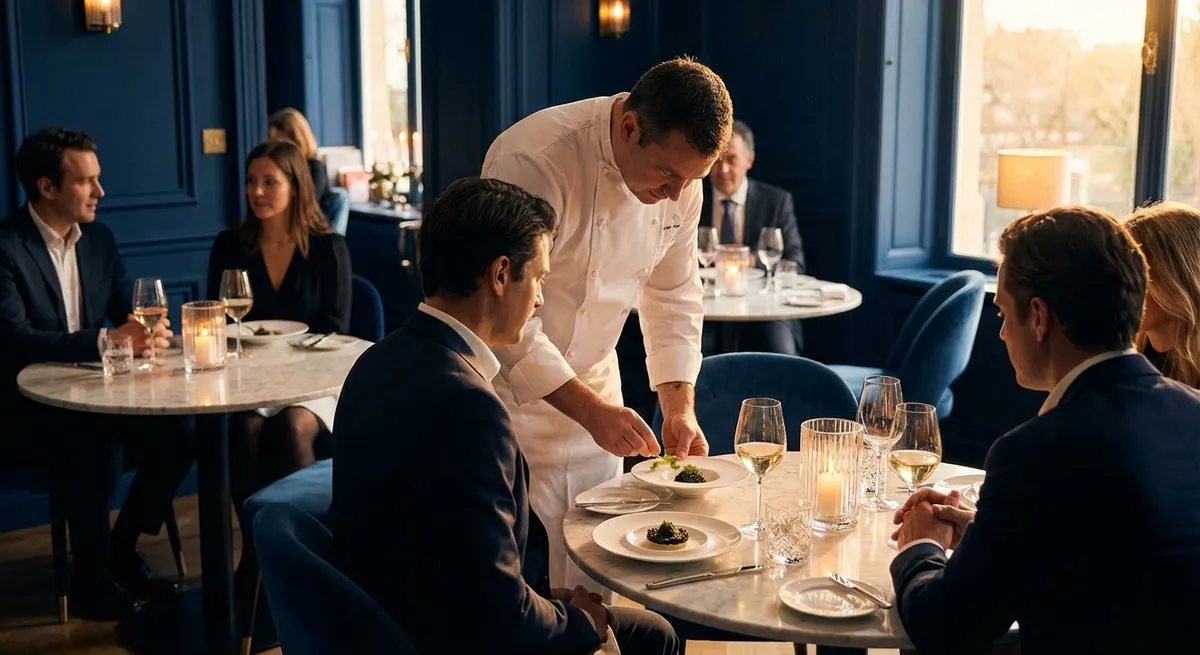
Seating becomes a strategic choice. A banquette in the periphery might be ideal for private conversation; a central table offers a tableau of the room’s energy. In some restaurants, the chef’s counter or kitchen-facing seats are a quiet privilege for those who enjoy witnessing culinary choreography up close, turning the evening into a live performance.
The most sophisticated guests also understand that the design language of the space clues them into the restaurant’s intentions. Minimalist interiors with precise tableware often signal a culinary style focused on purity and restraint. Rich, layered interiors suggest a more indulgent, theatrical approach. Aligning your expectations—and your mood—with the room’s architecture allows you to relax into the experience with intention.
The Art of the Tailored Menu: Collaborating with the Kitchen
One of the most powerful, underused privileges in fine dining is the ability to guide the kitchen gently, without disrupting its creative arc. The best luxury travelers treat the menu as a beautifully drafted proposal, not a rigid contract.
Rather than reciting a list of dislikes, they frame preferences thoughtfully. Instead of “no seafood,” it becomes “I prefer richer, land-based courses tonight.” Instead of “no spice,” they might say, “I enjoy depth of flavor more than heat.” This language respects the chef’s artistry while giving them the parameters to shape something personal.
For extended tasting menus, veterans of the room may discreetly request adjustments: a lighter progression if there’s a late engagement afterward, or a slightly abbreviated sequence when dining midweek between international flights. Guests who return to a restaurant frequently might ask to explore off-menu seasonal elements, trusting the chef to assemble a discreet sequence that never appears in print.
This collaborative approach also extends to timing. A well-timed pause between courses—requested quietly before service begins—can allow for a more conversational or celebratory evening. The most refined guests recognize that kitchens appreciate these signals; they enable a smoother flow rather than last-minute interruptions.
The Sommelier as Guide, Not Gatekeeper
To the uninitiated, the wine list can feel like a test. To experienced luxury travelers, it is a map—and the sommelier is a skilled guide, not a gatekeeper. The objective is not to choose the “most impressive” bottle, but the most expressive one for that particular evening.
The conversation begins with context: “We’re in the mood for wines with energy and lift,” or “We’d like something structured but not austere to carry us through the main courses.” Budget, when mentioned, is folded into this language: “We’re interested in exploring your more understated producers rather than the obvious icons tonight.” This signals sophistication without self-consciousness.
Savvy guests often use fine dining as an opportunity to explore emerging regions or lesser-known producers—high-caliber grower Champagnes instead of marquee houses, or precise, mineral-forward whites from volcanic soils instead of the classic Burgundian names. They know these choices often deliver extraordinary value and conversation-worthy character.
For those who prefer to move beyond a single bottle, a pairing—whether classic, low-intervention, or even non-alcoholic—becomes a narrative device. Each glass is selected to echo or contrast with the plate in front of you, turning the meal into a sequence of micro-stories. When a sommelier senses genuine curiosity rather than performance, they are far more likely to share rare pours, off-list bottlings, or thoughtful substitutions that quietly elevate the evening.
Cultivating Memory: How the Finest Diners Capture the Experience
The rarest luxury in fine dining is not the caviar or the grand cru; it is memorability. The most seasoned travelers approach important dinners as something to be curated long after the last course.
Instead of merely photographing plates, they capture subtler details: the curve of a custom-made knife, the monogram on a napkin, the patina of a wine cart. They might note a particular bread service, a specific butter or olive oil, or a signature amuse-bouche that reveals the chef’s personality in a single bite. These details become reference points when recommending the restaurant or planning a return visit.
Some maintain a discreet digital or handwritten dining journal. Not every meal, just the ones that merit revisiting in memory: the vintage that surprised them, the course that redefined a familiar ingredient, the unexpected kindness of a server who timed a course around a private toast. Over time, this becomes a personal atlas of taste and hospitality—a narrative as valuable as any travel log.
They also recognize that loyalty is a powerful currency. A sincere, concise note to the restaurant after an exceptional evening—mentioning specific team members or particular details—does not go unnoticed. Over time, as they return, the restaurant begins to remember their preferences: their ideal table, their aversion to overly sweet desserts, their love of aged cheeses, their fondness for a particular producer. The result is an experience that becomes more tailored, more intuitive, and more deeply personal with each visit.
Conclusion
Fine dining at the highest level is not defined by formality or spectacle alone. For the modern luxury traveler, it is defined by alignment: between place and purpose, room and mood, chef and guest. Those who understand this treat each dinner as a finely tuned composition rather than a simple indulgence.
By reading the room as carefully as the wine list, collaborating with the kitchen rather than commanding it, and attending to the artful details that most overlook, you transform the table into something more than a setting. It becomes a stage for memory, conversation, and quiet, lasting pleasure—an experience that lingers long after the final glass is poured.
Sources
- [The World’s 50 Best Restaurants – Official List](https://www.theworlds50best.com/) - Offers insight into global fine dining trends, chefs, and restaurant philosophies.
- [Michelin Guide – Official Site](https://guide.michelin.com/) - Authoritative resource on starred restaurants, dining standards, and culinary excellence worldwide.
- [The Culinary Institute of America](https://www.ciachef.edu/fine-dining-etiquette/) - Provides perspective on fine dining etiquette, service standards, and front-of-house dynamics.
- [Wine Spectator – Dining & Wine Guides](https://www.winespectator.com/dining-search) - Covers wine programs, sommelier practices, and restaurant wine list evaluations.
- [Harvard T.H. Chan School of Public Health – The Nutrition Source](https://www.hsph.harvard.edu/nutritionsource) - Offers context on ingredients, health-conscious dining, and evolving culinary considerations for modern menus.
Key Takeaway
The most important thing to remember from this article is that this information can change how you think about Fine Dining.