Fine dining for the modern luxury traveler is no longer a matter of star counts and dress codes. It’s a choreography of space, timing, ingredients, and intention—an experience that feels less like a performance and more like a quiet, meticulously crafted encounter. For guests who cross borders as easily as courses, the most memorable meals are those where every detail has been considered, yet nothing feels forced.
Below, five exclusive insights shape how discerning travelers can read, choose, and truly inhabit today’s most refined dining rooms around the world.
Reading the Room: Architecture as the First Course
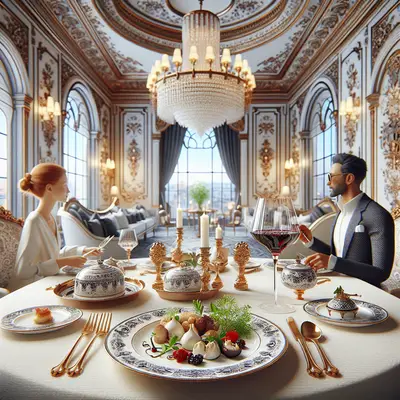
Before a menu is opened, the architecture begins telling its story. The way a dining room holds sound, light, and movement reveals more about the standard of the restaurant than any accolade on the door.
Look for rooms that use light as a gentle guide rather than a spectacle: pools of warm illumination on tables, softer shadows at the periphery, and discreet, glare-free fixtures that flatter both people and plates. Chairs should feel understated yet precise—supportive, with just enough give to encourage a lingering dinner without ever becoming noticeable in themselves. Sightlines matter: a serious restaurant will consider what you see from your seat, balancing privacy with the subtle theatre of the room.
Ceiling height and material choices quietly control atmosphere. High ceilings with sound-absorbing details, fabric, or woodwork keep conversation intimate rather than cavernous. Carpets or cleverly cushioned flooring dampen noise, allowing the whisper of a wine label or the murmur of a pairing explanation to be fully heard. For the luxury traveler, recognizing this architectural intent becomes an early signal: if the room is this carefully tuned, the kitchen will likely be equally precise.
From Source to Story: The Hidden Narrative Behind Each Plate
For refined travelers, the true currency of fine dining is provenance: who raised, cultivated, or crafted each element—and why it matters. The most compelling restaurants now treat ingredients as narrative threads, weaving them into a story that connects geography, season, and culture.
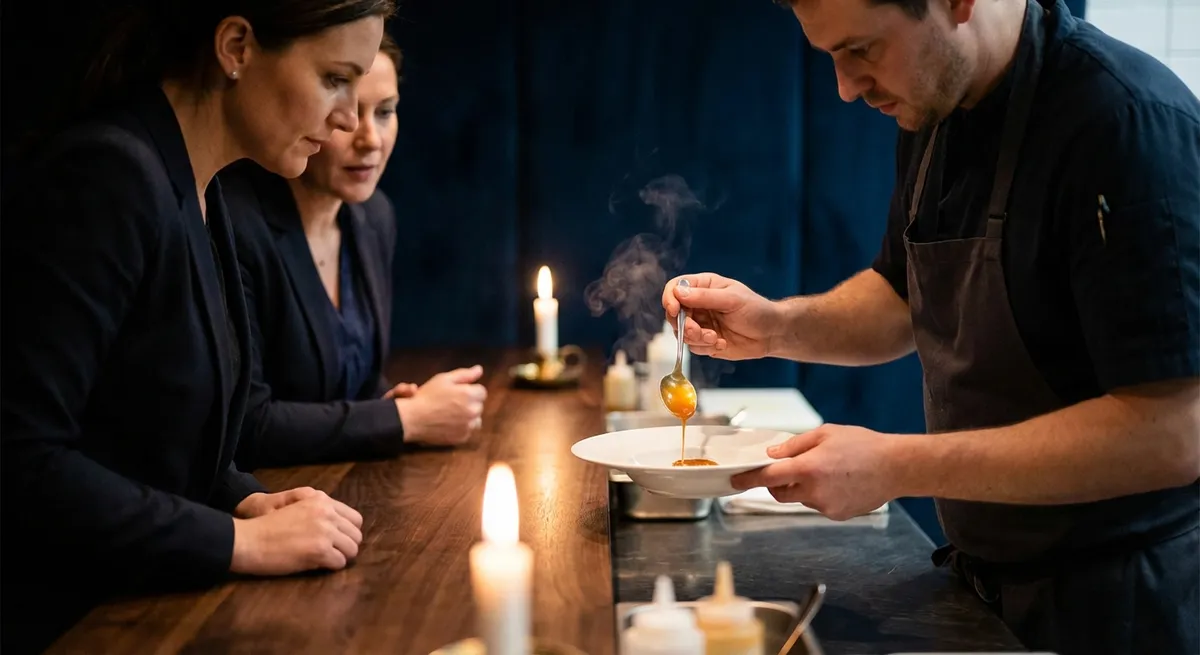
Listen for specificity when staff describe ingredients. “Local” is no longer enough; the top tables reference particular farms, fishing methods, harvest windows, or aging practices. A chef who can speak to the morning’s catch, the name of the cheesemaker, or the forager behind a particular herb is signaling a level of commitment that transcends trend. The luxury is not just in rarity, but in traceability and intention.
Tasting menus that shift subtly day to day—as weather, tide, and market permits—offer another level of refinement. These kitchens are not merely executing a fixed script; they are composing in real time, adapting to what the day has provided at its absolute peak. As a guest, asking one or two thoughtful questions about sourcing often opens a fascinating, quietly intimate window into the restaurant’s values and the ecosystem it supports.
Service as Discreet Choreography, Not Performance
In the world’s best dining rooms, service is closer to choreography than theatre—present, fluid, and nearly invisible at crucial moments. Luxury travelers often judge a restaurant not by the complexity of the dishes but by the poise and calibration of its staff.
Watch how your arrival is handled. A host who remembers your name, seating preference, or a note from your reservation (a late arrival from a long-haul flight, a preference for a quieter corner, a dietary nuance) demonstrates a team operating from genuine attention, not just protocol. At the table, the pace of service should feel tailored rather than standardized: a skilled team will read your body language, adjusting the tempo of courses, refills, and explanations accordingly.
The true sign of elevated service is how the restaurant responds to friction—a dish that isn’t to your taste, a spilled glass, or a last-minute change. The finest rooms resolve issues before they fully form, with solutions that feel gracious rather than compensatory. For well-traveled guests, noting these micro-moments can be more revealing than the most elaborate plating; they show whether hospitality is instinctive or merely rehearsed.
The Language of Pairings: Beyond Classic Wine Service
For the global luxury traveler, pairings have become an arena of quiet innovation. While classic wine service still holds its place, the most forward-leaning fine dining rooms now explore a spectrum of beverages, reflecting wellness considerations, cultural context, and a desire for novelty without compromising sophistication.
An advanced pairing program might move effortlessly between regions and formats: a mature Burgundy followed by a biodynamic white from an emerging region, then a small-batch sake, a tea-based infusion, or an aged non-alcoholic ferment for guests who prefer to abstain. The emphasis is on precision and harmony rather than simple prestige. A thoughtful sommelier will calibrate pairings to your palate—lighter, fresher, or more restrained options for guests traveling through multiple time zones or dining late after meetings.
Non-alcoholic pairings have become a subtle luxury in their own right: layered infusions, house-fermented beverages, and gastronomic teas that echo the structure and complexity of wine. Opting for such a pairing is no longer a compromise but a statement of discernment. Ask how beverages are created, not just where they come from; the best programs are as chef-driven and terroir-aware as the food itself.
Reserving the Experience: Access, Customization, and Timing
For those who move frequently across continents, securing a coveted table is less about luck and more about understanding how high-end restaurants now manage access. Reservations have become an extension of brand experience, and the way a restaurant handles your approach often signals what awaits inside.
Many top establishments balance online booking systems with relationships—through hotel concierges, premium credit card programs, or direct connections from past visits. When planning a culinary journey, engaging a trusted concierge or leveraging elite-status services can open doors to otherwise “fully booked” dining rooms. The difference lies not just in gaining entry, but in how seamlessly your preferences, past visits, and travel constraints are integrated into the evening.
Customization is another quiet advantage of thoughtful pre-planning. Disclosing dietary preferences, timing needs (such as an international call after dinner), or an interest in a particular ingredient or region gives the kitchen space to design something subtly tailored. For the most ambitious restaurants, off-peak seatings—early evening, late-night, or midweek—can offer a more relaxed, attentive experience where the kitchen has bandwidth for additional touches.
In a world where exclusivity is often overstated, the modern luxury of fine dining is not about being seen at a particular table, but about securing an evening that feels unmistakably, almost imperceptibly, designed around you.
Conclusion
For today’s luxury traveler, fine dining is less a destination and more a dimension of the journey—an interplay of architecture, sourcing, service, pairings, and access that can transform a single evening into a quietly indelible memory. Reading these details—how a room manages sound, how a chef speaks of their farmers, how a sommelier listens, how a reservation is handled—allows you to navigate the global landscape of high-end restaurants with the same discernment you bring to jets, suites, and bespoke itineraries.
The most refined experiences are rarely the loudest. They are the ones in which everything feels considered, nothing feels contrived, and you leave with the distinct sense that—for a few unhurried hours—the entire operation aligned itself precisely to your presence at the table.
Sources
- Michelin Guide Official Site - Provides criteria, insights, and listings for some of the world’s leading fine dining restaurants
- The World’s 50 Best Restaurants - Global ranking and editorial coverage of top restaurants, chefs, and dining trends
- Harvard T.H. Chan School of Public Health – Nutrition Source - Background on wine, alcohol, and health, useful context for understanding modern pairing philosophies
- Institute of Culinary Education - Article discussing how fine dining has evolved in terms of service, experience, and expectations
- Forbes Travel Guide - Reviews and standards that highlight service, ambiance, and luxury criteria in top-tier restaurants
Key Takeaway
The most important thing to remember from this article is that this information can change how you think about Fine Dining.