Fine dining has entered a new chapter—less about grand gestures, more about impeccable intention. For the luxury traveler, the most memorable tables are no longer defined by spectacle, but by the quiet precision of choices made on their behalf: the right light at the right hour, a wine list that reads like a conversation, a kitchen that cooks for one rather than for a room. This is dining as a private art form, where refinement lives not in extravagance, but in how seamlessly a restaurant seems to understand you before you have spoken.
Beyond the Reservation: The Quiet Power of Pre-Arrival Intelligence
For the most considered restaurants, the experience begins long before you take your seat. The finest rooms are increasingly run like discreet concierge desks: guest histories are compiled, preferences noted, and subtleties remembered over time—right down to how you take your water, or your reluctance toward certain textures or spices.
This pre-arrival intelligence often stems from robust guest-relationship systems, but the magic lies in how invisibly it is deployed. A sommelier may “suggest” a producer you once enjoyed in another city; a server may avoid an ingredient you casually mentioned in passing years ago. For the luxury traveler, the signal to look for is not just recognition, but anticipation. The restaurant that has already adapted the menu for your dietary preferences, adjusted pacing based on your past visits, or placed you at a table aligned with your conversational needs is operating at a level of refinement that transcends simple hospitality. In this realm, the reservation is not a booking—it is a brief.
The Architecture of a Table: How Space Shapes Taste
The most memorable meals are calibrated not only by flavor but by spatial design. Premium travelers increasingly gravitate toward dining rooms where architecture is treated as a sensory instrument: acoustics softened to protect conversation, sightlines curated to frame the kitchen, the city, or nothing at all. The distance between tables becomes a deliberate decision rather than a byproduct of real estate.
Subtle design choices signal the restaurant’s priorities. Chairs that support a multi-course progression without fatigue; table heights that work equally well for tasting menus and shared plates; lighting that renders both plate and face beautifully without glare. In leading culinary capitals, architects and chefs now collaborate from the earliest design stages—ventilation systems installed to keep cooking aromas present but never overwhelming, circulation patterns plotted so staff can float rather than rush. Luxury travelers in the know read these cues instantly: a room where noise, light, and movement feel effortlessly balanced is one where the kitchen is likely operating with similar precision.
The Invisible Choreography of Service
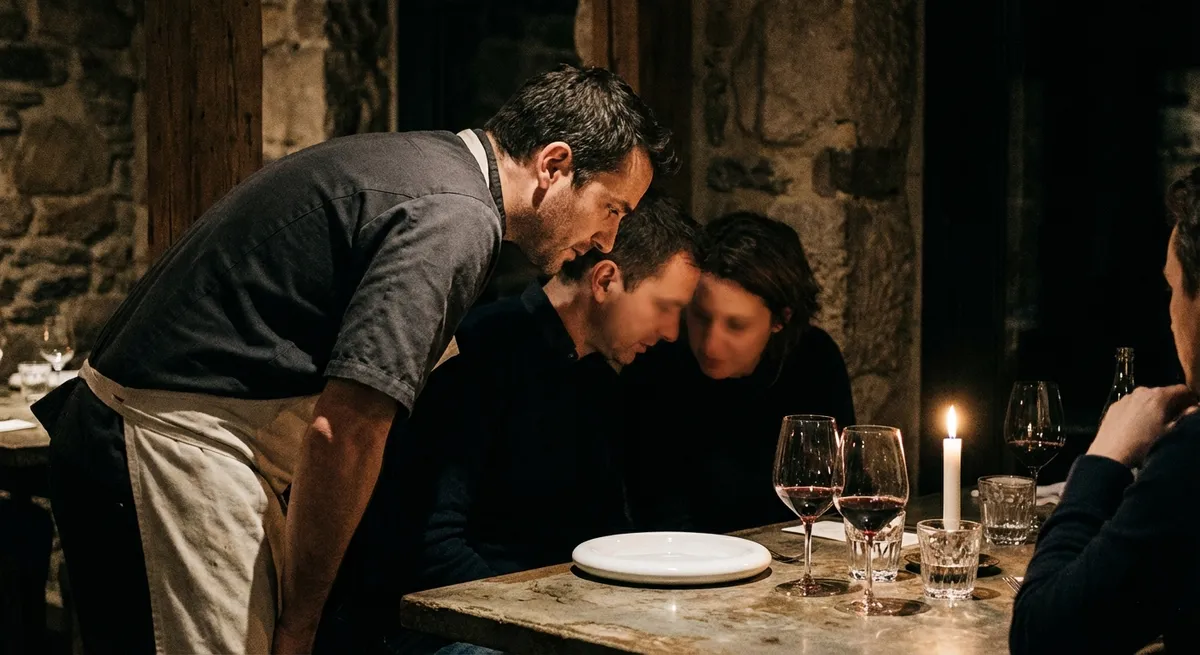
What separates competent service from exceptional service is almost always timing. Elite dining rooms operate on an invisible choreography: eye contact without interruption, plates that land on the table the moment your conversation naturally pauses, wine that is refreshed yet never pushed. Luxury travelers increasingly value this sense of being cared for without being managed.
The best teams rehearse this as rigorously as a performance. Service staff are trained to read posture, tone, and pace—whether a guest wants to be guided or left to explore; whether a business dinner requires discretion or a celebratory evening welcomes more storytelling. Course pacing adjusts not only to the kitchen’s tempo, but to the dynamics at the table: lingering on a favorite dish, accelerating when energy wanes. The highest form of refinement is when you leave unable to recall any single moment of service—only the sensation that absolutely nothing intruded upon the meal, and nothing essential was absent.
Ingredient Provenance as Philosophy, Not Performance
In the realm of fine dining, provenance has long served as the vocabulary of luxury: rare truffles, heritage breeds, elusive vintages. But the most future-facing restaurants are shifting from ingredient as trophy to ingredient as philosophy. Luxury travelers now look for something beyond rarity: coherence. Do the components on the plate reflect a thoughtful logic—of place, season, and restraint—rather than an exercise in acquisition?
True refinement reveals itself in how sparingly this information is deployed. Instead of reciting every farm and forager, exceptional restaurants reveal provenance when it deepens understanding: a coastline that explains salinity, a producer whose method clarifies texture, a miller whose grain defines a bread course. Sustainability also moves from trend to quiet baseline expectation—traceable sourcing, waste reduction, and ethical labor practices are increasingly non-negotiable for discerning guests. When a dish feels inevitable—impossible to imagine constructed any other way—that is usually the culmination of countless, conscientious decisions about where and how each ingredient lived before it arrived at your plate.
The Evolving Role of the Sommelier: From Cellar Keeper to Story Curator
In contemporary fine dining, the sommelier’s role has expanded from guardian of the cellar to custodian of narrative. Luxury travelers are less interested in simple prestige labels and more captivated by how a bottle can articulate place, craft, and personality. An exceptional sommelier no longer presents wine as hierarchy but as dialogue—between regions, vintages, and producers who are revisiting or rewriting tradition.
The most compelling wine programs now balance deep verticals of classic houses with thoughtful selections from emerging regions and low-intervention producers. Pairings may interweave wine, sake, fortified wines, and non-alcoholic ferments or infusions with the same seriousness of intent. For the seasoned traveler, the true luxury is not just access to rare allocations, but to a professional who understands how you like to engage: granular and technical, or purely sensory and emotional. When a sommelier can translate your mood into a glass, you are no longer just drinking—you are collecting experiences with the precision of a curated journey.
Conclusion
Fine dining, at its most sophisticated, is no longer defined by spectacle or excess. It lives in the spaces between courses, in the quiet decisions that shape how you feel rather than what you see. For the luxury traveler, the most coveted tables are not the hardest to book, but the ones that seem to recognize you—your rhythms, your preferences, your appetite for nuance—before you take your seat. The new pinnacle of dining is not about being seen at the right restaurant. It is about entering a room in any city on earth and sensing, instantly, that it has been subtly, expertly arranged around you.
Sources
- World’s 50 Best Restaurants – Official Site - Offers insight into global fine dining trends, leading restaurants, and evolving service philosophies
- Michelin Guide - Authoritative reference on fine dining standards, rating criteria, and the evolution of premium restaurant experiences
- Harvard T.H. Chan School of Public Health – Sustainable Food Systems - Provides context on sourcing, sustainability, and responsible ingredient selection in high-end dining
- Cornell University School of Hotel Administration - Features research on hospitality management, service design, and guest experience relevant to luxury restaurants
- Wine & Spirit Education Trust (WSET) - Offers educational resources and commentary on wine, beverage trends, and the evolving role of the sommelier in fine dining
Key Takeaway
The most important thing to remember from this article is that this information can change how you think about Fine Dining.