There’s a certain poetry to peak-season travel: orchestras of wheelie suitcases, fluorescent-lit queues, and the soft hum of collective exhaustion as flights run “just a little bit delayed.” The viral popularity of listicles like “25 Travel Gadgets For Anyone Who Is Already Mentally Preparing For The Chaos Of Holiday Travel” isn’t just entertainment—it’s a barometer. Mass travel has become so chaotic that it’s now a meme. And wherever chaos becomes content, opportunity quietly appears for those who prefer their journeys whisper‑quiet and meticulously choreographed.
As mainstream travelers arm themselves with compression cubes and portable chargers, the world’s wealthiest travelers are playing a different game entirely. Behind the screens and the social media jokes, there’s a parallel reality: private terminals, pre‑cleared borders, and resorts so discretely insulated from the seasonal crush that guests only encounter “holiday travel” as a trending topic, not a lived experience.
This is the new context for exclusive resorts right now—not just beautiful, but beautifully buffered from the chaos the internet can’t stop sharing.
1. The New Status Symbol: Never Seeing a Queue at All
The current wave of “holiday travel survival” content—from viral airport TikToks to gadget‑heavy packing guides—underscores a single, unspoken truth: for most travelers, lines are now a fixed feature of the journey. For the ultra‑affluent, the true luxury isn’t skipping the line; it’s never seeing it.
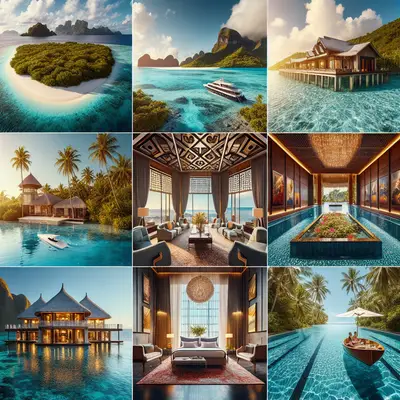
Top‑tier resorts in destinations like the Maldives, the Caribbean, and the Mediterranean are quietly re‑engineering the arrival experience in response. Instead of the public terminal, guests are met planeside by a private liaison, moved through a VIP or diplomatic‑style channel, and transferred directly to a resort‑branded yacht or SUV. Some brands now negotiate dedicated immigration desks during peak seasons, effectively creating a micro‑border crossing exclusively for their guests. Others partner with private aviation operators to ensure seamless wheels‑up to check‑in, bypassing the airport experience that dominates today’s travel headlines. In this new era, the most coveted amenity isn’t in the room—it’s the absence of friction between runway and retreat.
2. “Invisible Crowds” Architecture: When Privacy Is Built into the Blueprint
As viral content celebrates “the chaos of holiday travel,” luxury resorts are moving in the opposite direction, architecting spaces where other people are technically present—but rarely perceived. Many of the world’s top exclusive resorts are now designed with what insiders call “invisible crowds” planning: guests may be at 80–90% occupancy, yet feel as if they have the property largely to themselves.
This is accomplished through layered circulation paths—separate routes for family, couples, and staff—along with staggered timing for peak‑pressure points like breakfast, beach access, and spa circuits. Suites and villas are positioned for privacy sight‑lines, so neighbors become silhouettes at most, never spectators. Resort masterplans increasingly hide movement: service tunnels, discrete staff entrances, and private villa docks ensure the operational machinery never touches the guest’s field of vision. At a moment when the internet is collectively bracing for “the soul‑crushing, primal screams of a thousand weary travelers stuck in a security line,” the most forward‑thinking resorts are quietly perfecting the opposite: a choreography where other people exist only as a distant suggestion.
3. Tech Minimalism in a Hyper‑Gadget Age
The surge of interest in “25 travel gadgets you need for the holidays” reflects a broader truth: mainstream travel now relies on personal tech to patch systemic inefficiencies. Power banks compensate for outlet shortages, Apple AirTags compensate for baggage mishandling, and portable massagers compensate for cramped seats and endless waiting. The luxury segment is reacting in a radically different way—by stripping the need for personal gadgetry down to nearly zero.
Exclusive resorts are increasingly adopting a philosophy of tech minimalism: embedded, invisible technology that anticipates needs rather than demands attention. Climate, lighting, and curtains are pre‑adjusted based on arrival time and guest profile; luggage appears in‑suite without tags, apps, or inquiries; and digital concierge services exist as an elegant layer available via in‑room tablet or discreet WhatsApp, not a maze of QR codes and mandatory apps. Many top properties are now building “device detox” frameworks during high‑stress periods like the holidays—offering analog havens with curated reading lists, calligraphy sets, or heritage board games, while the digital infrastructure hums quietly in the background to keep everything flawlessly on time. In a world where social media celebrates ever‑more gadgets as armor against chaos, the most exclusive resorts are offering something subversive: a stay where you can safely travel with less—and notice more.
4. Private Time Zones: Escaping Peak Season Without Changing Your Dates
Holiday travel guides assume something fundamental: that everyone moves at roughly the same time. Flights, check‑ins, dinners, pool hours—all synchronized around the conventional day. Exclusive resorts are now fracturing that assumption, effectively creating private “time zones” for their most discerning guests without asking them to shift their calendar.
During peak travel weeks, some elite properties are quietly reshaping their operational clock for certain villas and suites. Late‑night arrivals are met with a “breakfast” service at 3 a.m., delivered with daylight‑style lighting and a fresh‑pressed newspaper or e‑paper timed to their origin city. Pool and beach areas are softly zoned by schedule—early‑bird fitness swimmers, late‑morning families, golden‑hour couples—with staff gently orchestrating usage so no group ever feels crowded or compromised. Even spa and wellness programming is being recalibrated: private hydro‑circuits, “night spa” access, and extended‑hour hammams ensure that peak holiday occupancy doesn’t translate into peak pressure on facilities. The effect is subtle but profound: while the internet talks about “preparing for the chaos of holiday travel,” these guests experience something entirely different—a sense that the resort has moved time itself to accommodate them.
5. The Rise of “Cocoon Weeks”: When Resorts Become Full‑Service Sanctuaries
The popularity of content obsessing over how to “survive” holiday travel has made one thing clear: people expect disruption. They build in buffer days, pack emergency snacks, and install multiple airline apps like insurance policies. In response, the most progressive luxury resorts are leaning into a new concept: the “cocoon week,” where the property is designed to function as a self‑contained world, reducing the need to interface with any form of external chaos.
During these cocoon periods—often synced with global peak travel windows—resorts intensify their internal ecosystems. On‑property boutiques expand curation, offering capsule wardrobes, fine jewelry, and even tailored resortwear fittings so guests can forgo crowded malls or city trips. Culinary programs extend from dawn to late night with rotating themes and visiting chefs, removing the need to “go out” for variety. Medical‑adjacent wellness—IV therapy, jet‑lag protocols, functional diagnostics—comes in‑house, so guests no longer need to schedule city clinics or external spas. Some ultra‑exclusive resorts even coordinate with private security and logistics providers to handle last‑mile concerns: local permissions, document renewals, or bespoke excursions that never intersect with mass‑tourism flows. In a world bracing for the next viral airport meltdown video, a cocoon week offers something far rarer than content: continuity.
Conclusion
The current fascination with “holiday travel chaos”—from gadget lists to horror‑story threads—isn’t going away. Mass travel will continue to be louder, fuller, and more meme‑able. But for those operating and frequenting exclusive resorts, this cultural moment is less a warning and more a design brief. It clarifies what true luxury must now deliver: not only beauty, but insulation; not only service, but orchestration; not only amenities, but the quiet confidence that the world’s noise will remain firmly on the other side of the glass.
For the Jet Ready traveler, the question is no longer how to endure peak‑season travel. It’s far more precise: which properties have learned to turn the internet’s favorite form of chaos into an experience you never actually have to meet?
Key Takeaway
The most important thing to remember from this article is that this information can change how you think about Exclusive Resorts.