There’s a particular kind of silence you only find in old houses—the kind built into hand–carved balustrades, worn stone thresholds, and ceilings that have watched centuries unfold. As images of magnificent historic residences trend online—like the recent Bored Panda feature celebrating beautifully crafted old houses—an intriguing shift is emerging at the top of the travel market: the world’s most discerning travelers are no longer impressed by square footage alone. They want history, craftsmanship, and narrative. They want to stay inside the photograph.
Across Europe, the Middle East, and parts of Asia, heritage properties—once the domain of preservation societies and private families—are being reimagined as ultra–private retreats and members–only escapes. For the Jet Ready traveler, these are not “quaint” stays; they are meticulously restored estates where conservation meets couture-level service. Below, we explore how this rising fascination with architectural heritage is reshaping exclusive resorts right now, and what the most sophisticated guests are quietly asking for behind the scenes.
1. From Museum Piece to Private Sanctuary
The global obsession with historic architecture, amplified by viral galleries of century–old homes and châteaux, has done more than inspire Instagram saves—it has awakened a new appetite for immersive heritage living. Developers and resort brands are taking note, acquiring manor houses, palazzi, riads, and haciendas not to turn them into themed hotels, but to transform them into discreet, residence–style sanctuaries.
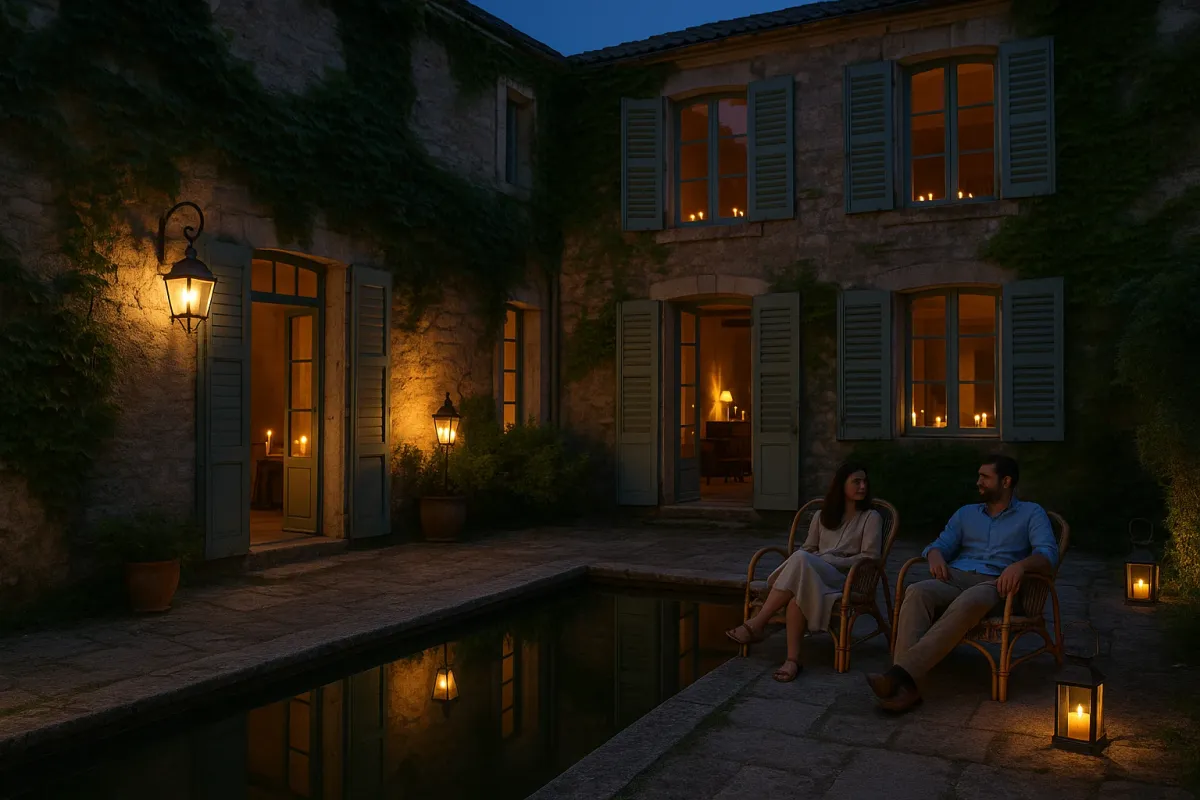
Instead of rope barriers and guided tours, these properties offer entire wings—or entire buildings—to a single party. Imagine closing the doors of a 19th‑century lakeside villa on Lake Como and knowing every fresco, every creaking stair, is, for the weekend, exclusively yours. The heritage itself becomes the amenity: original parquet floors under cashmere‑soft rugs, centuries‑old fireplaces retrofitted with invisible modern climate control, libraries curated with first editions rather than generic coffee–table books. This is not nostalgia—it’s narrative ownership for a finite, privileged time.
2. The New Luxury Metric: Hours of Handwork, Not Just Thread Count
The resurgence of interest in old houses has also changed how luxury travelers evaluate quality. In the images currently circulating of meticulously crafted historic homes—hand‑carved stonework, plaster rosettes, inlaid wood—people aren’t just admiring beauty; they’re recalibrating their sense of what “well made” actually means. Exclusive resorts housed in heritage properties are leaning into that shift.
Instead of focusing solely on brand–name linens or imported marble, the most elevated retreats now proudly quantify craftsmanship: how many hours of hand restoration went into a single ceiling; how many local artisans were commissioned to recreate a lost molding; how a 120‑year‑old parquet floor was lifted piece by piece, restored, and relaid, rather than replaced. For the traveler who has seen every contemporary penthouse suite on offer, this degree of artisanal intentionality feels rare and deeply satisfying. It transforms a stay into a quiet collaboration with the past—and with the craftspeople preserving it.
3. Privacy, Reframed as Architectural Discretion
The modern luxury guest is privacy–obsessed—but privacy at the highest level has become less about dark SUVs and more about intelligent design. Historic homes, especially those now converted into exclusive retreats, were often built with a level of spatial choreography modern architects are only starting to rediscover: servants’ passages, hidden staircases, layered courtyards, and cloistered gardens.
Today’s elite resorts are reinterpreting those elements for contemporary needs. Staff move silently through restored service corridors; spa therapists appear via what seems like “magic doors” in dressing rooms; children’s play areas are tucked into former carriage houses where sound doesn’t travel. The result is an experience where invisibility feels designed, not improvised. For guests used to being recognized everywhere, stepping into a 200‑year‑old residence whose architecture naturally absorbs them offers something more valuable than anonymity: effortless seclusion with character.
4. Heritage as a Curated Cultural Ecosystem
As social feeds fill with portraits celebrating global diversity and intimate human stories, the idea of travel as a culturally passive activity feels dated. The most interesting heritage–based resorts are responding by turning their properties into living micro–ecosystems of local culture, rather than mere backdrops.
That might mean a residency program where contemporary artists reinterpret historic motifs from the property, or exclusive salon dinners hosted in the music room by historians, conservators, or authors who specialize in the region’s past. Guests don’t just sleep beneath 18th‑century beams—they learn the story of the carpenter who crafted them, or the trade routes that funded the original build. Cooking classes become conversations about heirloom ingredients once served at the estate; wine tastings might feature bottles made from vines historically grown on the property’s own land. The stay becomes a private chapter in a much longer story—one guests are invited to understand, not merely consume.
5. Restoration, But Make It Future–Proof
Online conversations about craftsmanship and old houses often circle back to sustainability—how long things used to last, and what we’ve lost in the age of disposability. This dovetails with a decisive shift among high–net–worth travelers: environmental responsibility is no longer a “nice to have,” it’s an expectation, particularly when it comes to heritage properties.
Leading exclusive resorts are taking a nuanced approach. Rather than “greening” an old house with visible, disruptive interventions, they’re investing in almost invisible future‑proofing: geothermal systems concealed beneath historic courtyards, ultra–efficient insulation hidden within original walls, low–impact lighting designed to protect original finishes while minimizing energy use. Water is recycled through discreet on‑site systems; landscaping is rewilded just enough to support biodiversity without compromising the manicured aesthetic. For guests who can spot performative sustainability at a glance, it’s this quiet, technically sophisticated approach—honoring both the building and the planet—that feels truly luxurious.
Conclusion
In an era where so much of luxury has been flattened into sameness—identical suites, interchangeable lobbies, predictable amenities—the renewed fascination with historic houses is a welcome disruption. The same images of aged stone, intricate woodwork, and luminous old–world interiors now dazzling social media are quietly inspiring a redefinition of what an exclusive resort can be: not a branded container for opulence, but a carefully restored, deeply contextual home that happens to operate at a world‑class level of service.
For the Jet Ready traveler, the most coveted reservations over the coming years won’t necessarily be in the tallest towers or newest beach clubs. They’ll be in places where the walls have witnessed lifetimes, where restoration has been approached like haute couture, and where every creak of the floorboard reminds you: luxury is no longer just about what is new—it’s about what has been preserved, protected, and offered, for a brief moment, entirely to you.
Key Takeaway
The most important thing to remember from this article is that this information can change how you think about Exclusive Resorts.