The online storm currently circling celebrity parenting—most recently reignited by comparisons between North West and Blue Ivy and the relentless commentary on Millie Bobby Brown’s newborn—has made one truth painfully clear: visibility has become a liability. For public figures and high‑net‑worth travelers alike, the world has never felt more intrusive, nor the spotlight more unforgiving.
As social feeds dissect Cardi B’s latest piercings, debate Ariana Grande’s wellbeing, and turn every candid moment into content, the quietest luxury in the world right now isn’t marble, Michelin, or even a private jet. It’s the ability to disappear—beautifully, safely, and on your own terms. This is where the new generation of ultra‑exclusive resorts is stepping in: designing spaces and systems that aren’t just remote, but reputationally protective.
Below, five insider shifts defining the most coveted retreats for those who can’t afford a single careless photo—or a single careless neighbor.
1. From “Secluded” to Strategically Invisible
In an era where 122k people can follow an Instagram page dedicated to “Very Finnish Problems” and social media can turn the most mundane moment into a meme, traditional “seclusion” has lost its meaning. The modern elite traveler isn’t just avoiding crowds; they’re avoiding context.
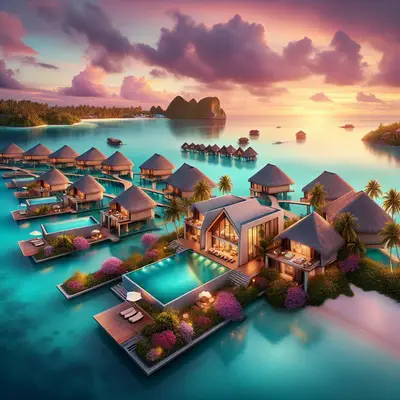
At the most discreet resorts—from private islands in the Maldives and the Seychelles, to hyper‑remote lodges in places like Finnish Lapland or Patagonia—teams now think like security consultants. Approach lines are mapped to avoid drone sightlines, arrival and departure windows are staggered to prevent overlapping VIPs, and service entrances are designed so staff movements don’t telegraph a notable guest’s presence. For high‑profile families wary of the kind of parenting scrutiny currently hitting the North West / Blue Ivy discourse, this invisibility is non‑negotiable: no shared breakfast buffets, no “accidental” photos from another guest’s balcony, no chance encounters in a lobby. Instead, check‑in happens in‑villa, paperwork is handled pre‑arrival, and your first human interaction on‑property is often already behind closed doors.
2. The Rise of the “Reputation-First” Concierge
As celebrities from Ariana Grande to Sydney Sweeney have discovered, the internet can turn a single unflattering angle—or a puzzling magazine cover detail—into days of commentary. Luxury travelers have taken note. In response, the world’s most sophisticated resorts are building a new kind of role: the reputation‑first concierge.
This isn’t merely a butler or a VIP manager. Think of a discreet advisor whose sole purpose is to anticipate how your stay could be captured, interpreted, and amplified online—and quietly prevent anything you don’t control. They coordinate with your own team on whether staff should carry phones at all, how to manage third‑party vendors (chefs, photographers, yacht crews), and which local experiences are truly private versus just “off the beaten path.” For families, they can structure days so children move seamlessly from villa to yacht to private beach without passing through any public lens—an essential consideration in a culture overly eager to critique how public figures parent, dress, or celebrate their children.
3. Sanctuary Design: Architecture That Outruns the Algorithm
The same culture that delights in “Old People Facebook” mishaps and viral hidden‑dog photos thrives on one thing: shareable visuals. The most forward‑thinking resort architects are now asking a very different question: how do you design a property so that the most valuable parts of it are, by default, unpostable?
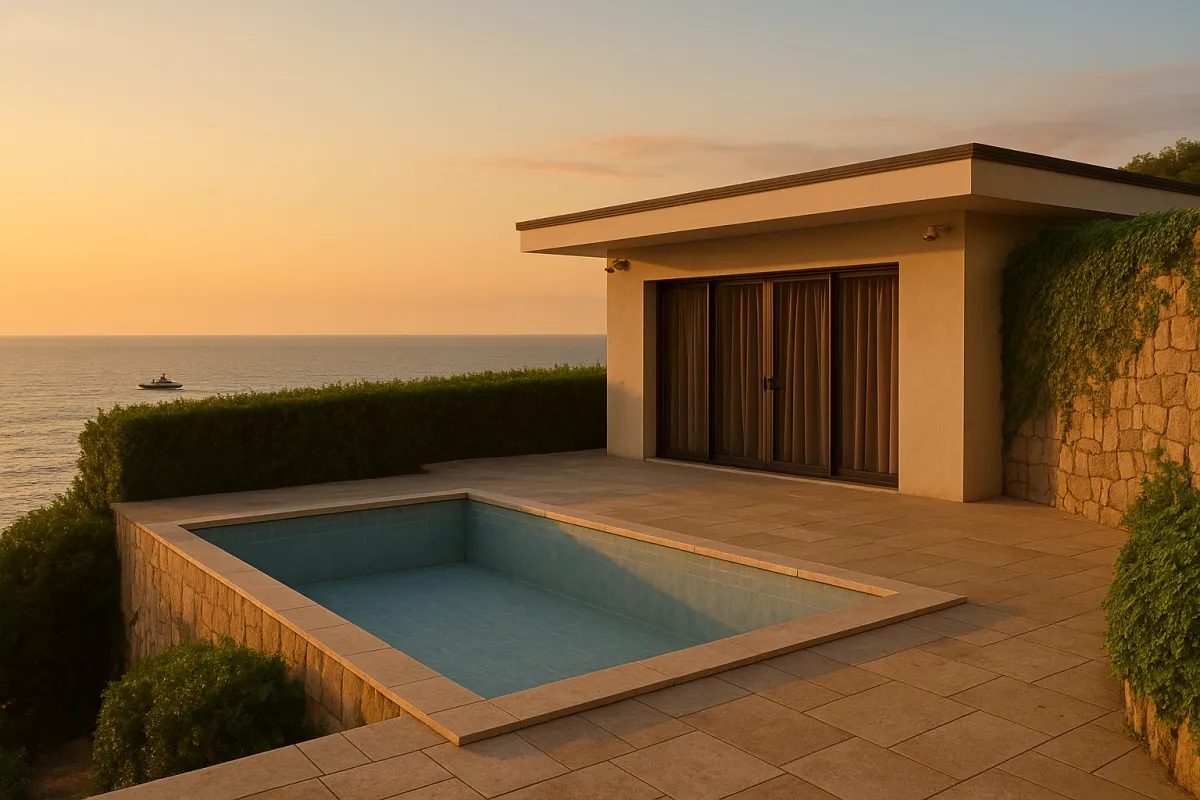
You’ll see it in the planning of villas carved deep into cliffs with inward‑facing courtyards, in suites where panoramic views are preserved for interiors while exterior façades reveal nothing. Private pools are intentionally shielded from overhead angles. Walkways snake behind greenery, not along open ridges. Even helipads and marina access points are being placed where drone footage would capture landscape, not identity. Some ultra‑luxury brands have gone further: creating “off‑camera zones” where photography is either subtly discouraged or explicitly prohibited, allowing guests to move in silk kaftans or barefoot linen without the low‑level anxiety of being backdrop content for someone else’s feed. It’s not about secrecy; it’s about breathing without performing.
4. Wellness That Prioritizes Emotional Privacy, Not Just Physical Recovery
The fascination with body transformation posts, celebrity health struggles, and postpartum speculation has made wellness feel strangely public. Everything—from a new piercing to a changed jawline—becomes open for debate. Savvy travelers are pushing back by seeking wellness that feels deeply private, not demonstrative.
Exclusive resorts are responding with programs that are intentionally less “Instagrammable” and more inward. Nighttime spa access reserved for a single villa, unbranded treatment spaces with no logos or visible markers, and therapists who sign both NDAs and ongoing confidentiality training are becoming baseline rather than premium add‑ons. Sleep retreats are scheduled so you never cross paths with other guests; detox programs are crafted to avoid the telltale “I’m doing a program” visual cues. Even fitness spaces are evolving: private studios built into villas, personal trainers brought in under first‑name‑only discretion, and recovery suites that resemble art‑filled salons rather than clinical labs. The message is clear: your body—its story, its evolution, its vulnerabilities—belongs to you, not to a panel of online commentators.
5. The Art of Controlled Visibility: Curating What You Share, On Your Terms
With millions following niche content—from “mildly interesting” everyday curiosities to hyper‑specific fandom theories about a single baby photo—disappearing entirely is neither realistic nor always desirable for public figures. The smartest luxury resorts understand this and work in concert with guests to create deliberately shareable moments that reveal everything and nothing at once.
Think of it as controlled visibility. A resort might offer a single, carefully framed vantage point—a jetty at sunset, a boat’s aft deck, a signature bar with no identifying features—designed to be photographed without exposing layout, location, or other guests. Chefs collaborate on dishes that photograph spectacularly but are served in settings impossible to place. For some VIPs, properties even coordinate with stylists and publicists so that the media narrative focuses on a couture look or a standout experience rather than where, exactly, they are hiding from the world. It’s luxury as narrative management: you leave with content that feels aspirational, but your child’s bedroom, your unguarded breakfast table, and your true daily rhythm remain untouched and unknown.
Conclusion
As the internet turns stranger’s babysitting stories into headline drama and celebrity children into recurring discourse, the definition of an “exclusive resort” has evolved. The new gold standard isn’t simply about fewer rooms, higher thread counts, or longer wine lists. It’s about how completely a place can remove you from the economy of opinion.
For the traveler who understands what constant commentary costs—emotionally, reputationally, even creatively—the most coveted destinations now offer something profoundly rare: a stay that leaves no trace except the memories you choose to keep, and the moments you choose to share. In a world obsessed with seeing and being seen, the ultimate luxury is elegantly orchestrated absence.
Key Takeaway
The most important thing to remember from this article is that this information can change how you think about Exclusive Resorts.