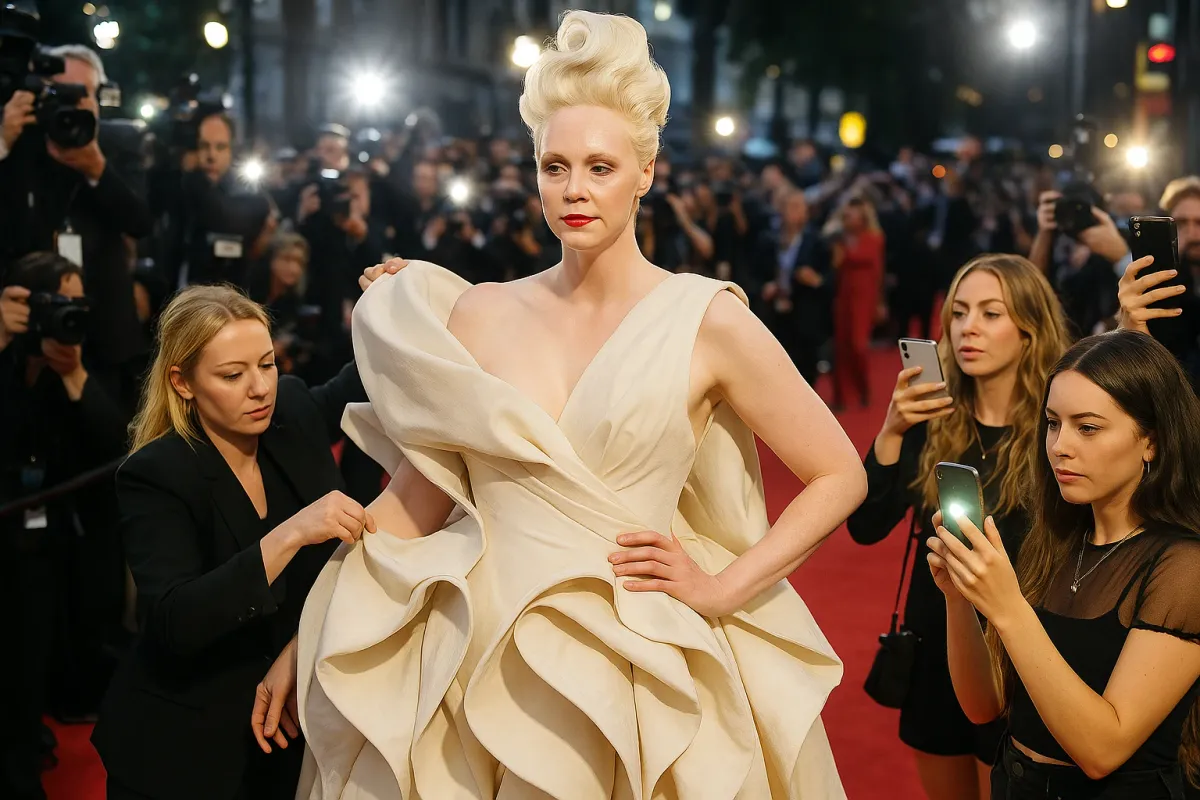
There are red carpet moments that blend into the algorithm—and then there are the ones that hijack it. Gwendoline Christie’s wildly architectural hair at the recent Fashion Awards did the latter, sparking everything from gleeful praise to comments dubbing it “a new home for lice.” Beyond the snark, though, was something far more interesting: an unmistakable signal that luxury, in 2025, has shifted decisively from polished perfection to curated provocation.
For the premium traveler, this is more than a celebrity style anecdote. Christie’s look—towering hair, sculptural proportion, and zero interest in being conventionally “pretty”—captures the new codes of high-end living: unexpected, unapologetic, and meticulously intentional. The same forces reshaping red carpets are also reshaping the way discerning travelers choose hotels, restaurants, wardrobes, and experiences.
Below, five exclusive, timely insights drawn from this viral moment—translated into a playbook for those who live, dress, and travel in the premium lane.
1. Statement Hair, Statement Itinerary: Why Bold Aesthetics Now Define Luxury Travel
Christie’s Fashion Awards hair wasn’t simply a style choice; it was spatial design. It occupied air, framed the room, and insisted on being seen. In luxury travel, the parallel is clear: the era of discreetly “nice” is giving way to environments that behave like couture—daring, memorable, and slightly subversive.
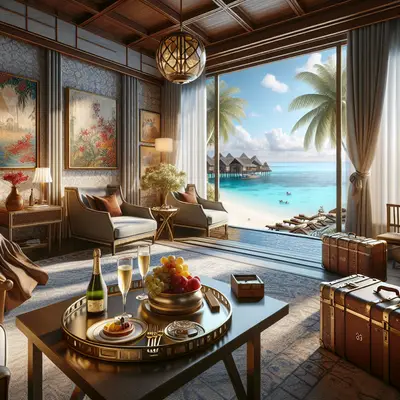
We’re seeing this in the way top-tier travelers now prioritize properties that photograph like editorial spreads rather than postcard clichés. Think of angular desert retreats in Dubai that feel more like art installations than hotels, or London suites that pair heritage wood paneling with surrealist lighting. The aesthetic must now tell a story strong enough to live both offline and on social. If Christie’s hair was designed to be screenshotted, today’s premium suites are designed to be screen‑stopped—scroll‑halting spaces where every corner is intentionally composed. The luxury isn’t just the thread count; it’s the visual narrative.
2. Viral, But Vettable: Curating Experiences in the Age of Instant Outrage
The online response to Christie’s look—equal parts fascination, mockery, and obsession—perfectly reflects the volatility of our current attention economy. One unusual choice becomes a global talking point in hours. For premium travelers, this volatility has changed how itineraries are built: the most sophisticated now apply the same scrutiny to experiences that stylists apply to red carpet moments.
Today’s high-end guest will happily book a restaurant or resort that’s making noise online—but only after quietly vetting it through private channels. Behind the scenes, personal concierges cross-check trending spots against chef résumés, ownership structures, sustainability practices, and guest‑list quality. The new luxury is not about avoiding the viral; it’s about ensuring what goes viral actually aligns with your values and standards. Just as Christie’s look was backed by serious fashion pedigree despite the memes, the most prestigious experiences are those that withstand both the spotlight and the magnifying glass.
3. From Polished to Polarizing: Embracing Taste That Not Everyone “Gets”
What made Christie’s hair so divisive is precisely what made it luxurious: it was not designed for universal approval. Today’s affluent consumer is increasingly comfortable with the idea that true refinement may look “wrong” to the untrained eye—whether that’s a deliberately disheveled couture gown or a tasting menu that refuses easy comfort.
Translated into travel, this means itineraries that may puzzle the casual observer but delight those who understand nuance. Think of choosing an avant‑garde, gallery‑adjacent hotel in an industrial neighborhood over the predictable five‑star palace; or flying to a city not for its landmarks, but for a single boundary‑pushing performance, exhibition, or chef’s table. In a culture obsessed with likes and consensus, the most elevated choices are now the ones that risk misunderstanding. Polarizing taste has become a discreet badge of discernment.
4. The New Couture Packing List: Hair, Beauty, and Wardrobe as Travel Architecture
Christie’s towering coiffure wasn’t just fashion—it was infrastructure. It required planning, engineering, and maintenance. The same philosophy is quietly reshaping how luxury travelers approach their own physical presence on the road. Personal appearance is no longer an afterthought to the itinerary; it is part of the architecture of the journey.
High‑end travelers are increasingly building trips around access to top-tier beauty ecosystems: cities where their favorite facialist, colorist, or hair architect can be booked between meetings or gallery visits. Portable luxury has also become more intelligent—travelers commission capsule wardrobes bespoke to specific destinations, climates, and cultural codes, just as a red carpet look is built for a single night, camera angle, and step‑and‑repeat. The question is no longer “What will I wear there?” but “How will my presence interact with the space—hotel, restaurant, yacht, or private lounge—as deliberately as Christie’s hair interacted with the Fashion Awards’ cameras?”
5. Beyond the Meme: Using Cultural Flashpoints to Shape Your Next Escape
Moments like Christie’s Fashion Awards appearance don’t just entertain; they map where culture is drifting. The most astute luxury travelers are treating such flashpoints as signals, not noise. When a look this conceptual dominates feeds, it hints at a broader appetite for theatre, risk, and narrative in public life—which in turn points to the destinations and experiences most likely to feel relevant in the months ahead.
Practically, this means using today’s trending fashion and art stories as a lens for tomorrow’s bookings. If the cultural conversation is orbiting around extreme silhouettes and maximalism, it may be time to look at cities or resorts leaning into bold design—whether that’s a cutting‑edge fashion capital hosting major awards, or a design‑forward resort staging immersive art collaborations. The goal is alignment: choosing places where your next stay feels as current—and as intentionally composed—as the most talked‑about looks on the red carpet.
Conclusion
Gwendoline Christie’s much‑discussed hair at the Fashion Awards may read like pure spectacle, but beneath the jokes lies a quietly useful truth: modern luxury no longer apologizes for being disruptive. It occupies space, invites conversation, and accepts that not everyone will approve.
For those living a premium lifestyle, this is liberating. It means embracing travel that feels as curated, provocative, and self‑possessed as the most daring runway moment—experiences that don’t merely keep up with the culture, but move in synchrony with its boldest, most interesting turns.
Key Takeaway
The most important thing to remember from this article is that this information can change how you think about Premium Lifestyle.