Luxury, at its highest expression, is no longer about logos, queues, or public spectacle. It is about discretion, choreography, and the quiet assurance that every detail has been anticipated before it is articulated. For the modern Jet Ready traveler, premium living is written in subtle cues: the unlisted door, the handwritten note, the way a room feels as if it has been waiting for you all day.
This is not an aesthetic; it is an operating system. Below are five exclusive, insider-level insights that define how today’s most discerning travelers curate their lives in motion—often invisible to the casual observer, but unmistakable to those who move in these circles.
The Private Layer: Living in the Unpublished World
The most coveted experiences rarely appear on a website or in a brochure; they exist in a private layer of the world that is accessible only through relationships, reputation, and refined pattern recognition.
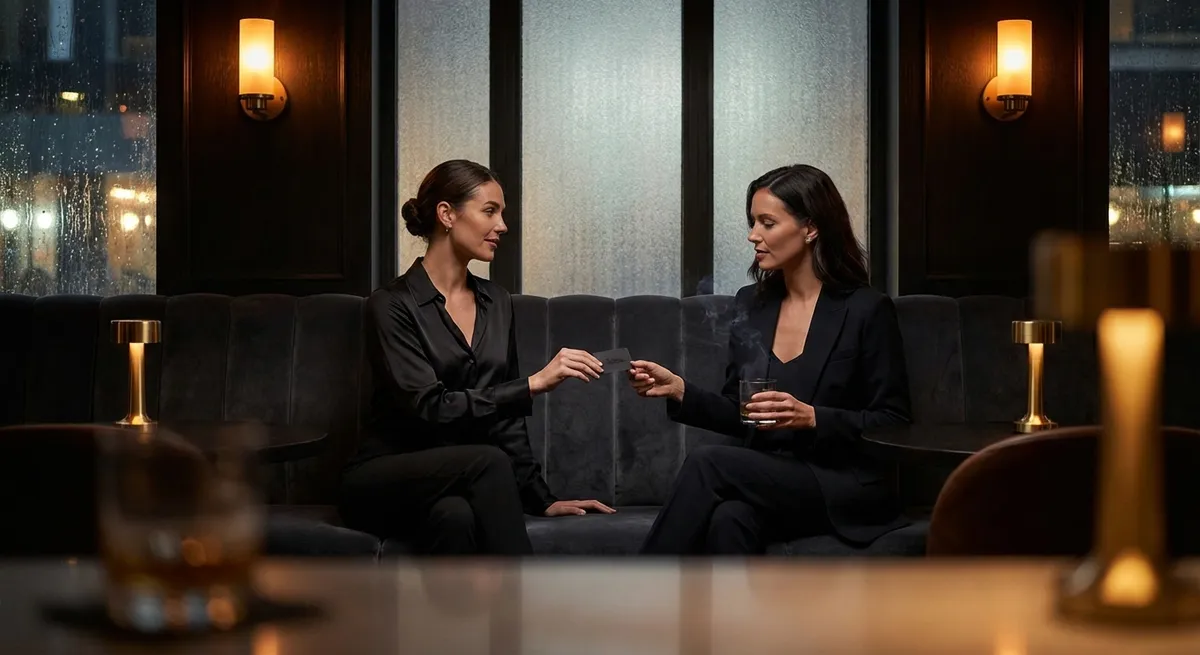
These travelers rely less on search engines and more on trusted humans: a long-standing travel advisor who knows their calendar better than they do, a discreet concierge who understands that “quiet table” is both a sound level and a distance from the door, a private banker who can unlock collaboration-only events that never hit public channels.
Beyond personal networks, they cultivate familiarity with “soft infrastructure”: diplomatic arrival services at select airports, private customs clearance options, and airline team members who can orchestrate an arrival that feels choreographed rather than processed. The key is not merely knowing about these layers, but maintaining them—through politeness, reliability, and an almost old-world etiquette that keeps doors open long after the card has been swiped.
In this realm, access is cumulative. Every gracious interaction is an investment in future frictionless movement and unadvertised invitations.
Orchestrated Time: Engineering Silence in a Loud World
For the serious traveler, time is not an abstract calendar entry; it is a curated environment. The art lies in engineering silence and control amidst perpetual transit.
Rather than simply “booking flights,” these individuals plan temporal architecture: aligning time zones with their own circadian rhythms, choosing routes not for price but for aircraft type, cabin design, and the likelihood of a truly quiet cabin. They notice which lounges allow natural light and which offer rooms-within-rooms—small meeting spaces, nap suites, or secluded corners that function as temporary private offices.
Their itineraries often build in intentional white space: a three-hour buffer to shower, change, and decompress after a long-haul flight before an important dinner; a structured “offline block” in the middle of the day; an arrival strategy that includes an in-room dining ritual rather than a rushed restaurant reservation. To outsiders, the schedule looks effortless; in reality, every transition has been carefully softened.
This level of time orchestration transforms travel from endurance to performance—where one arrives composed, not depleted.
Invisible Customization: When Everything Feels Made-For-You
The most refined premium experiences are rarely shouted; they are suggested quietly, in details that feel almost telepathic.
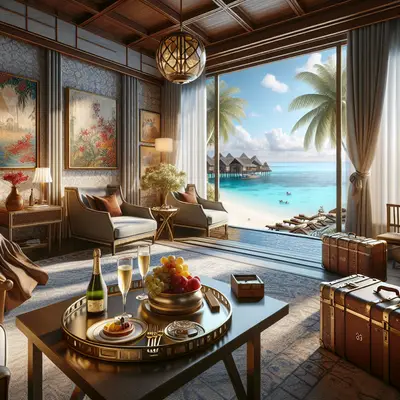
This might be a hotel suite that is already cooled to your preferred temperature; a car service that stocks a specific brand of still water and a particular herbal tea; or a property that remembers the exact pillow configuration from your last stay six months prior. Increasingly, this is made possible by sophisticated guest profiling, but at the highest tier, it is also analog: notes in a concierge’s personal notebook, a chef’s memory of your aversion to truffle oil, a yacht captain who knows which anchorage will align with your preferred sunrise.
Luxury travelers consciously “train” their ecosystem. They provide just enough information—discreetly, not as a demand—to enable tailored service: a short preferences file shared with their advisor, a brief, gracious email in advance of arrival outlining needs rather than issuing instructions. The result is an experience that never feels transactional, because the visible requests are few; the invisible anticipations are many.
True customization is not about abundance of choice; it is about the elegant absence of friction.
The New Discretion: Security as an Aesthetic
In the current era, security has become a quiet hallmark of genuine luxury. Not the ostentatious display of guards and barriers, but a seamless, thoughtful design that makes the traveler feel protected without feeling observed.
The most discerning clients evaluate destinations and properties through this lens: controlled access points that don’t feel like checkpoints, in-room safes that are properly hidden rather than merely installed, and neighborhoods that offer walkability without sacrificing anonymity. Digital security is treated with similar seriousness—encrypted messaging for sensitive coordination, dedicated travel devices, and careful attention to public Wi‑Fi environments.
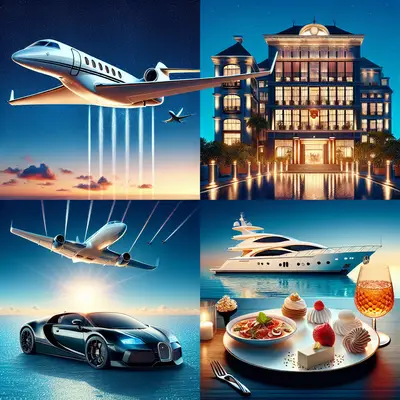
Transportation choices reflect this ethos as well. Chauffeurs are briefed not only on routes, but on conversation preferences and media exposure; some clients request separate vehicles for luggage and staff, keeping their own movement more discreet. On private aircraft or in first-class cabins, seating is chosen strategically to minimize visibility, particularly when sensitive work is conducted inflight.
The true luxury is the ability to move through the world unremarked upon—known to the right people, invisible to everyone else.
Curated Locality: Owning the City Without Being Seen
Premium travelers have moved beyond “seeing the city” to something more intimate: a quiet form of temporary belonging. They are not chasing landmarks; they are constructing micro-worlds in each place they frequent.
Rather than relying exclusively on hotel recommendations or widely reviewed venues, they cultivate a small, personal circuit: the bar where the team knows their preferred martini without asking; the flower shop that can deliver peonies to a suite within forty minutes; the neighborhood place that can serve as an unofficial office between meetings. These are not always the trendiest addresses—more often they are beautifully run, under-publicized, and frequented by locals with similar standards.
They also understand the value of local expertise at a higher level: partnering with destination management companies for complex events, requesting introductions to local art consultants, interior designers, or private gallery owners, and, when necessary, seeking up-to-date guidance from official tourism boards and governmental advisories rather than hearsay.
This quiet cartography of familiarity makes each arrival feel less like a visit and more like returning to a city they already own a piece of.
Conclusion
For the Jet Ready traveler, premium lifestyle is not about more; it is about finer. The most valued luxuries are difficult to photograph: a seamless arrival, a hotel team that anticipates your mood before your order, a city that grants you privacy while opening its most interesting doors.
In an age obsessed with visibility, the new mark of true privilege is how elegantly one can move unseen, supported by an ecosystem of people, places, and experiences that align perfectly—yet almost imperceptibly—with one’s preferences. The world has not become less chaotic; the modern connoisseur has simply learned to curate their own stillness within it.
Sources
- [U.S. Customs and Border Protection – Global Entry](https://www.cbp.gov/travel/trusted-traveler-programs/global-entry) - Official information on expedited, secure entry to the United States for pre-approved travelers
- [Four Seasons – Guest Recognition & Personalization](https://press.fourseasons.com/news-releases/2022/personalization-experience/) - Insight into how a leading luxury brand approaches tailored service and guest profiling
- [Virtuoso – What Luxury Travelers Want Now](https://www.virtuoso.com/travel/articles/what-luxury-travelers-want-now) - Research-driven perspective on current priorities and behaviors of high-end travelers
- [International Air Transport Association (IATA) – Business Travel Trends](https://www.iata.org/en/publications/newsletters/business-of-freight/businesstravel-trends/) - Industry overview on premium and business travel patterns
- [World Travel & Tourism Council – High Net Worth Tourism Trends](https://wttc.org/research/insights) - Reports and insights into global luxury and high-spend travel segments
Key Takeaway
The most important thing to remember from this article is that this information can change how you think about Premium Lifestyle.